Full-stack developer

Hey, I'm Nic.

I'm a Computer Science graduate building polished web, mobile, and desktop applications from ambitious ideas.

Projects

A few things I've built

These are the projects I've spent the most time building and refining.

1/5

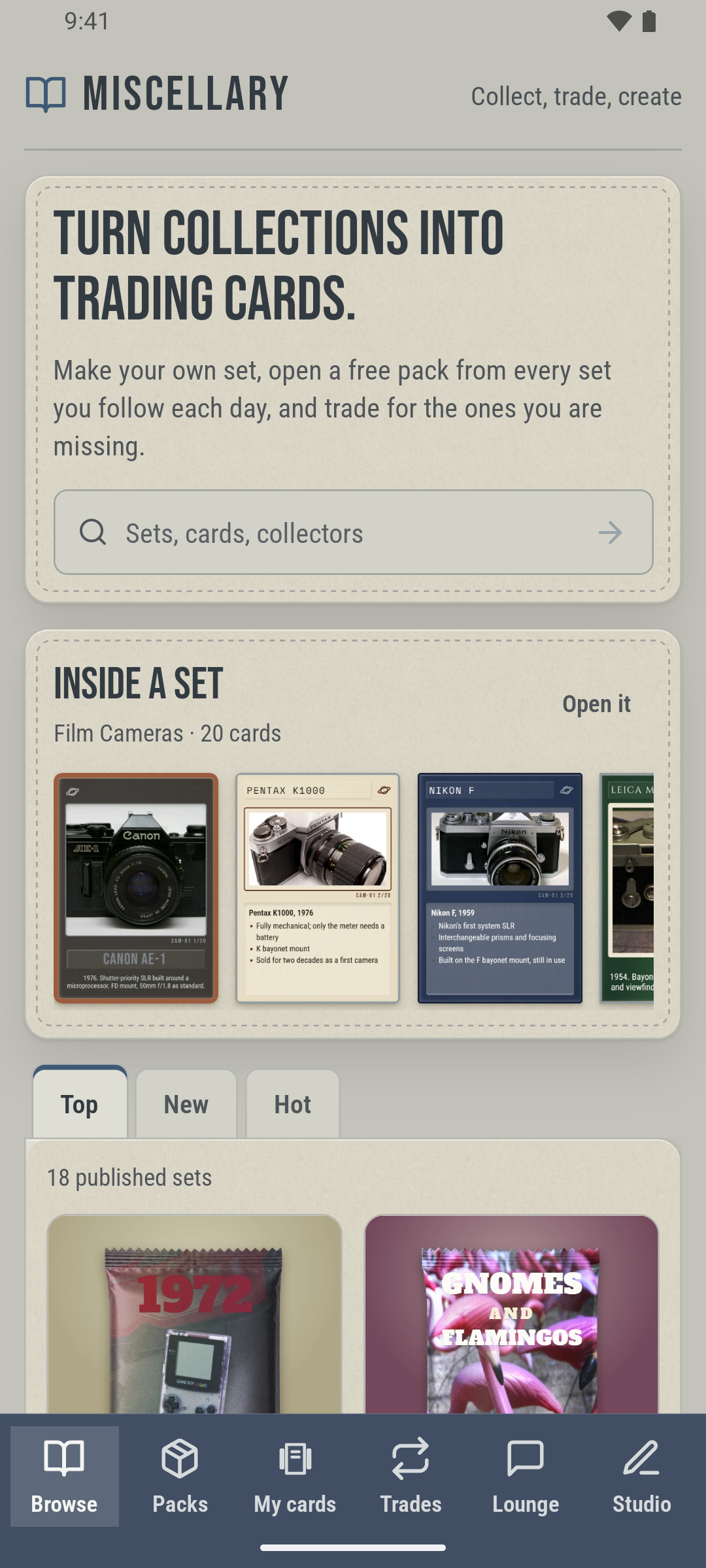
Miscellary

Social collecting platform

Live
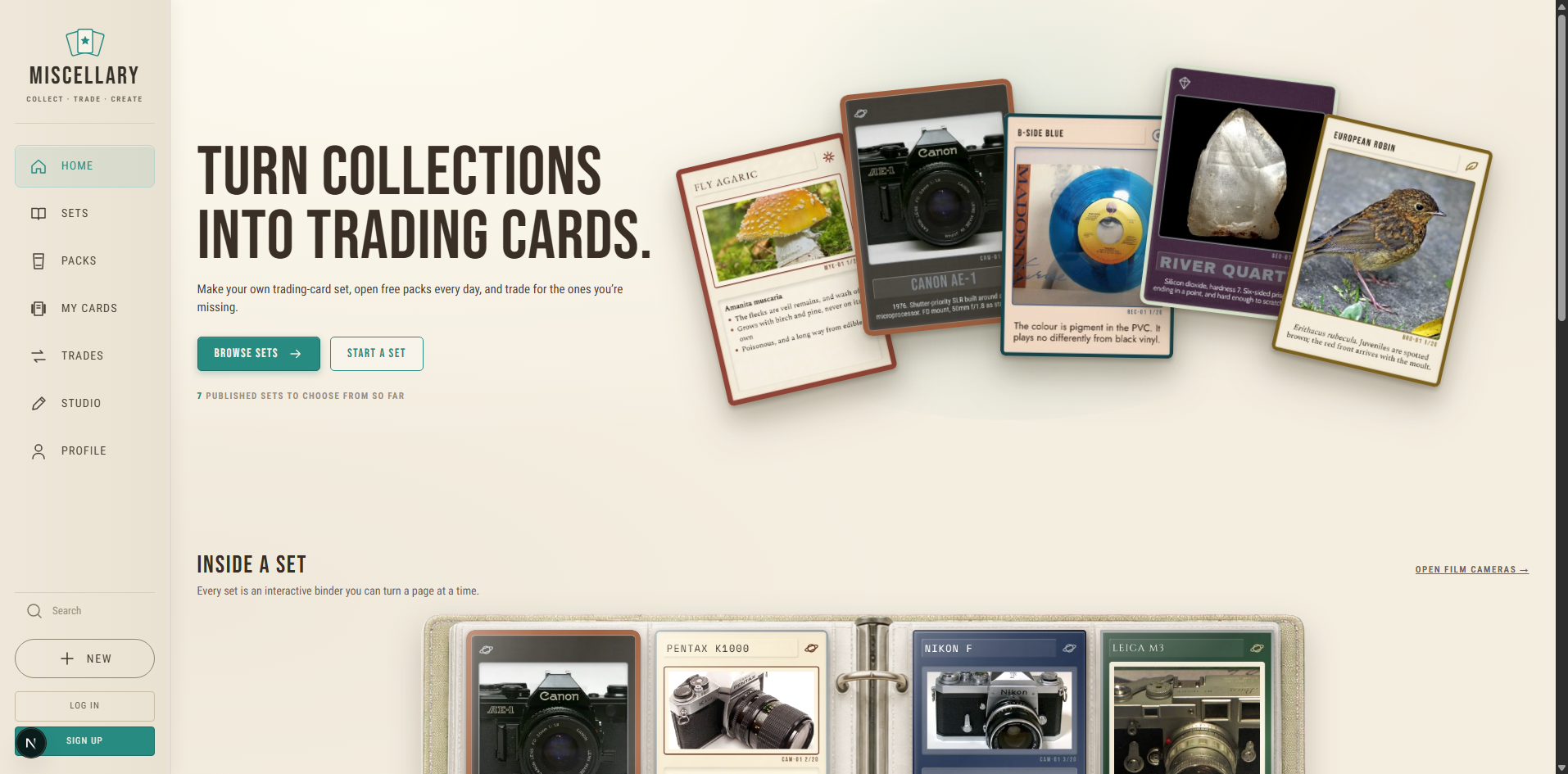
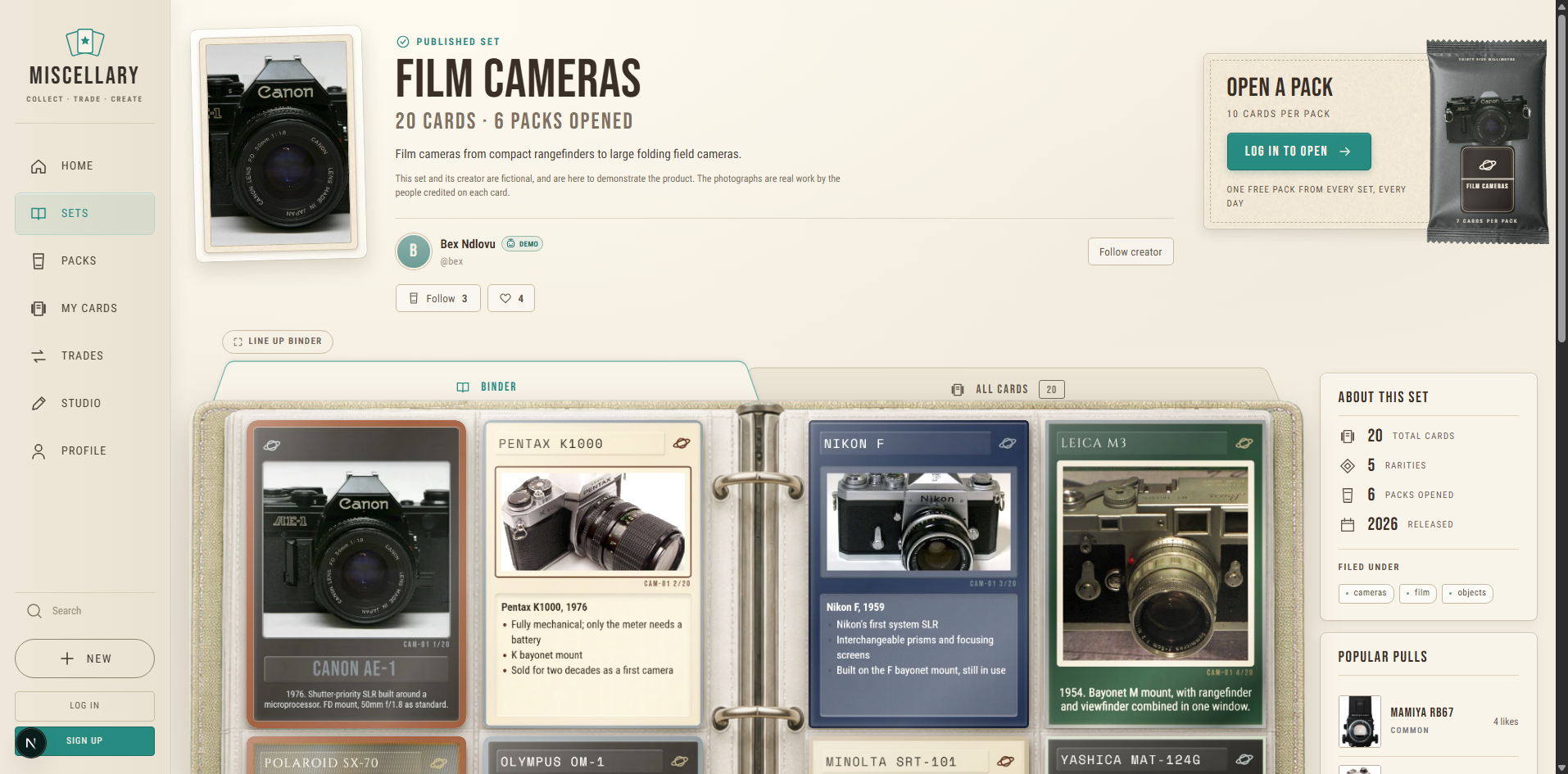
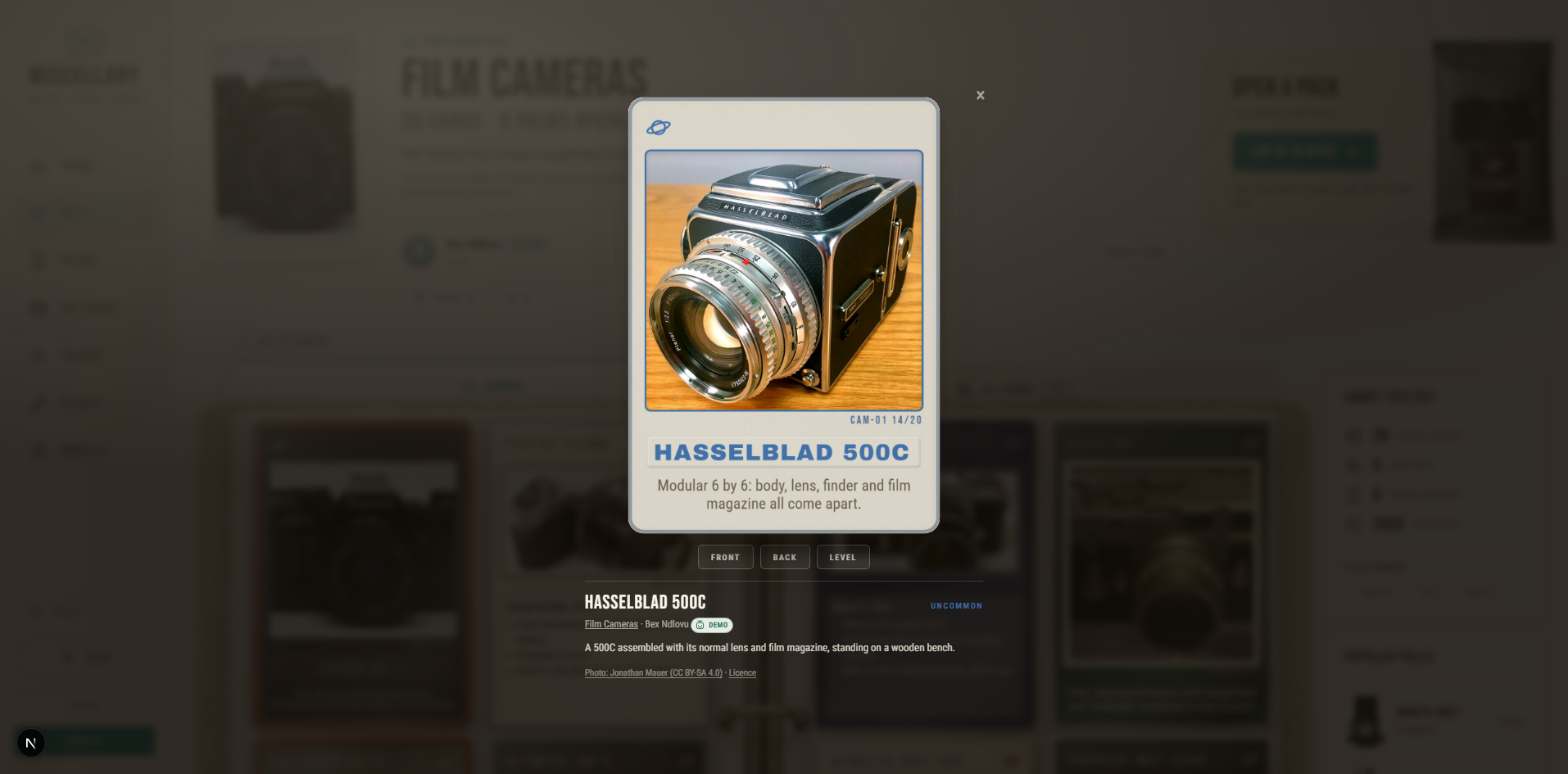
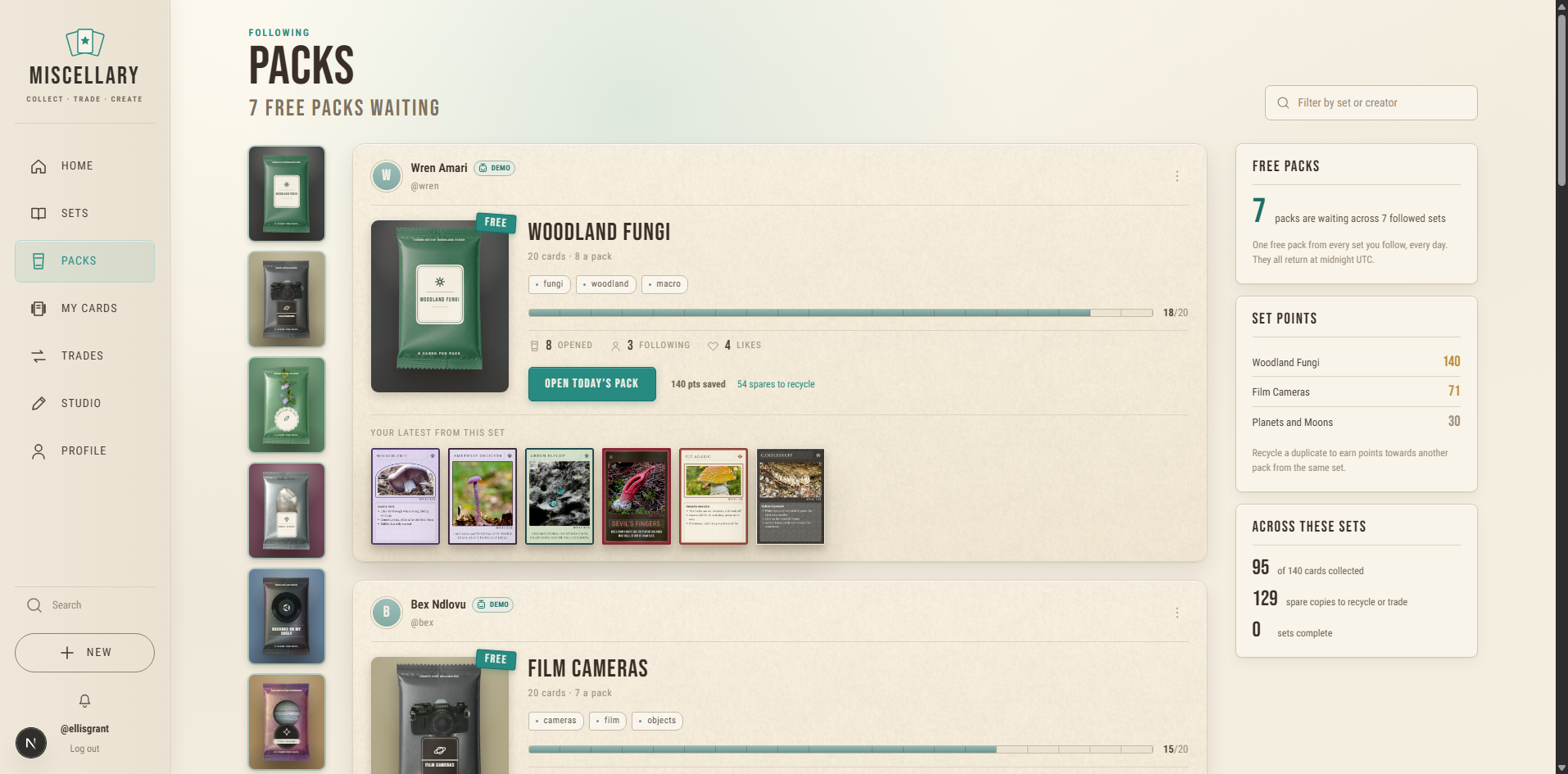
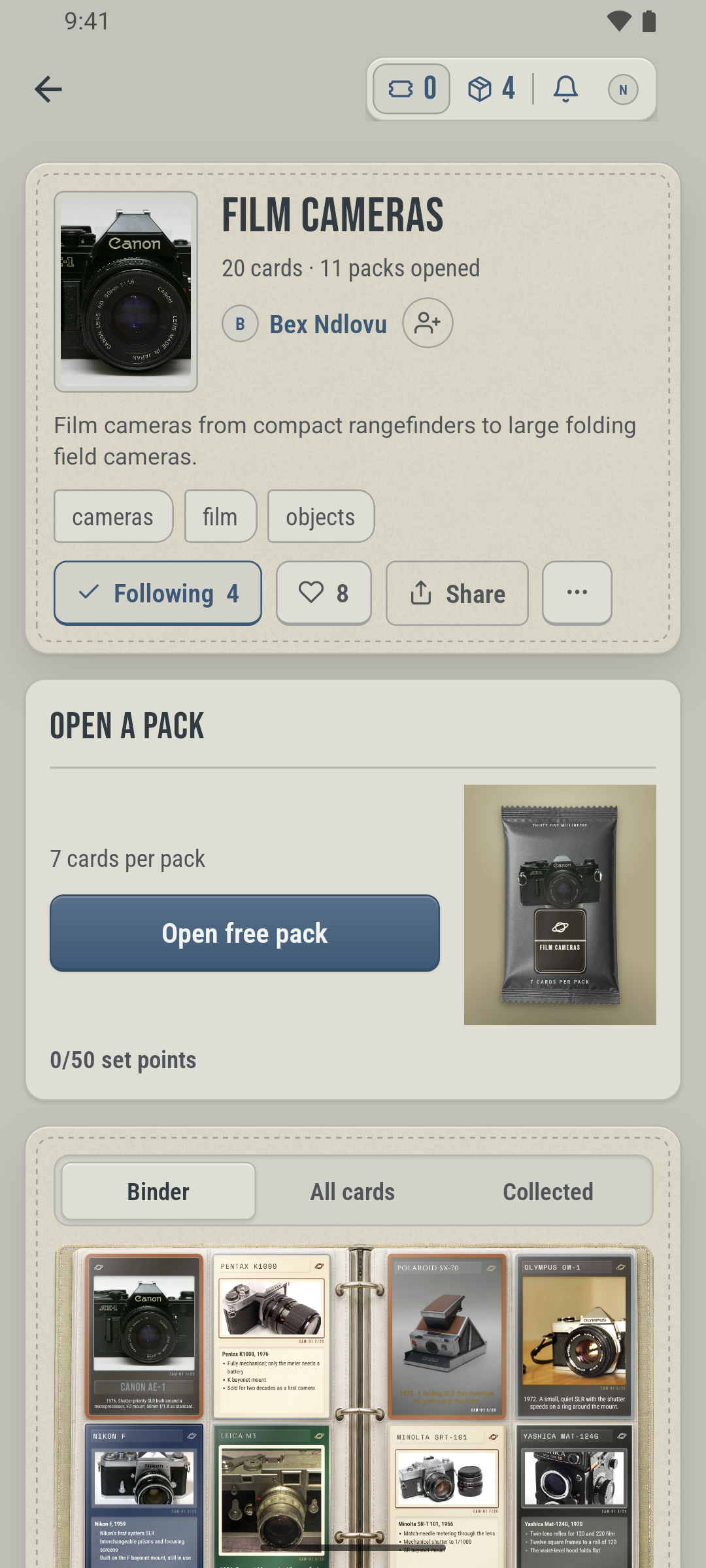
A web and Android platform built around user-created trading card sets

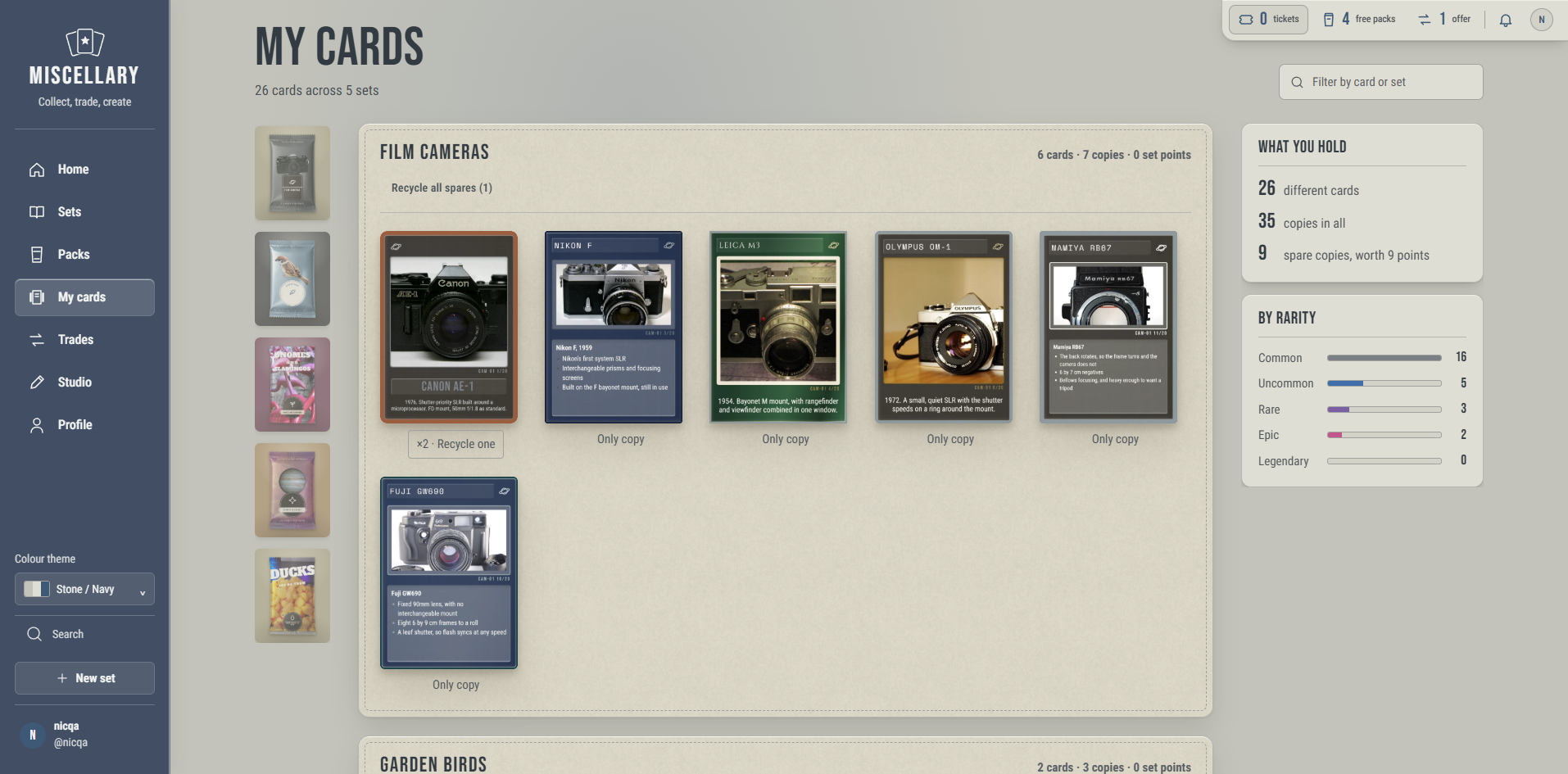
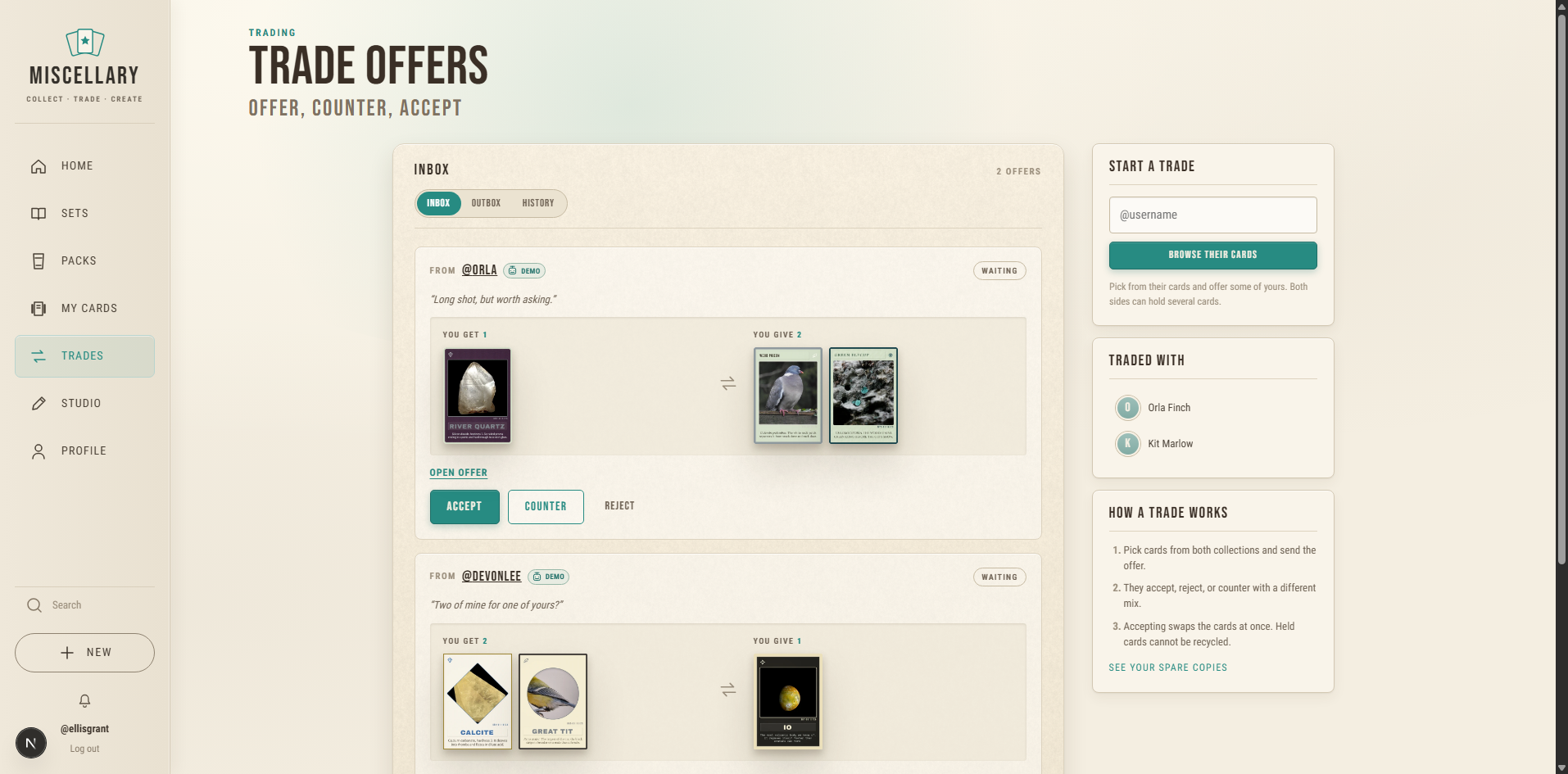
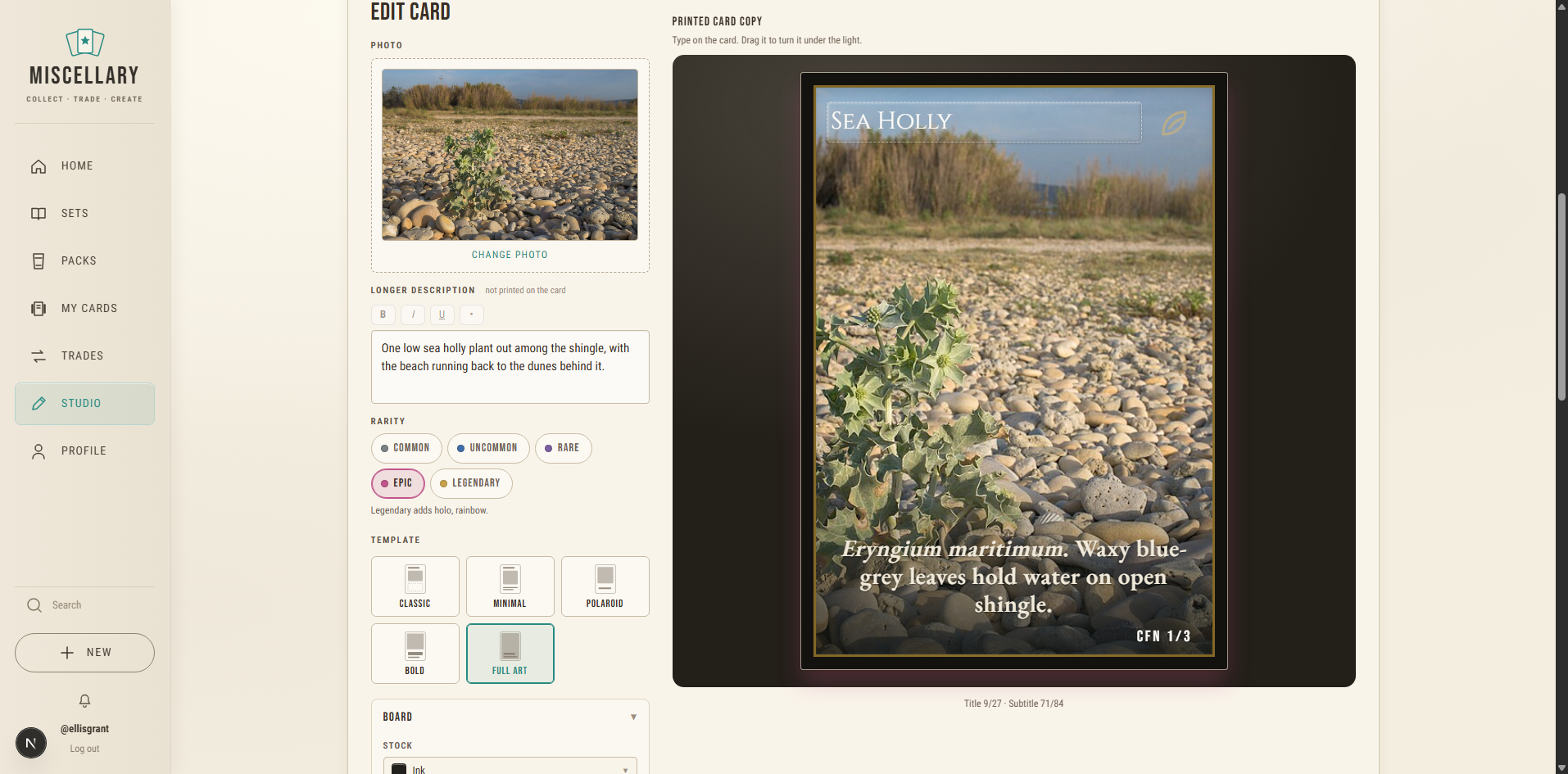
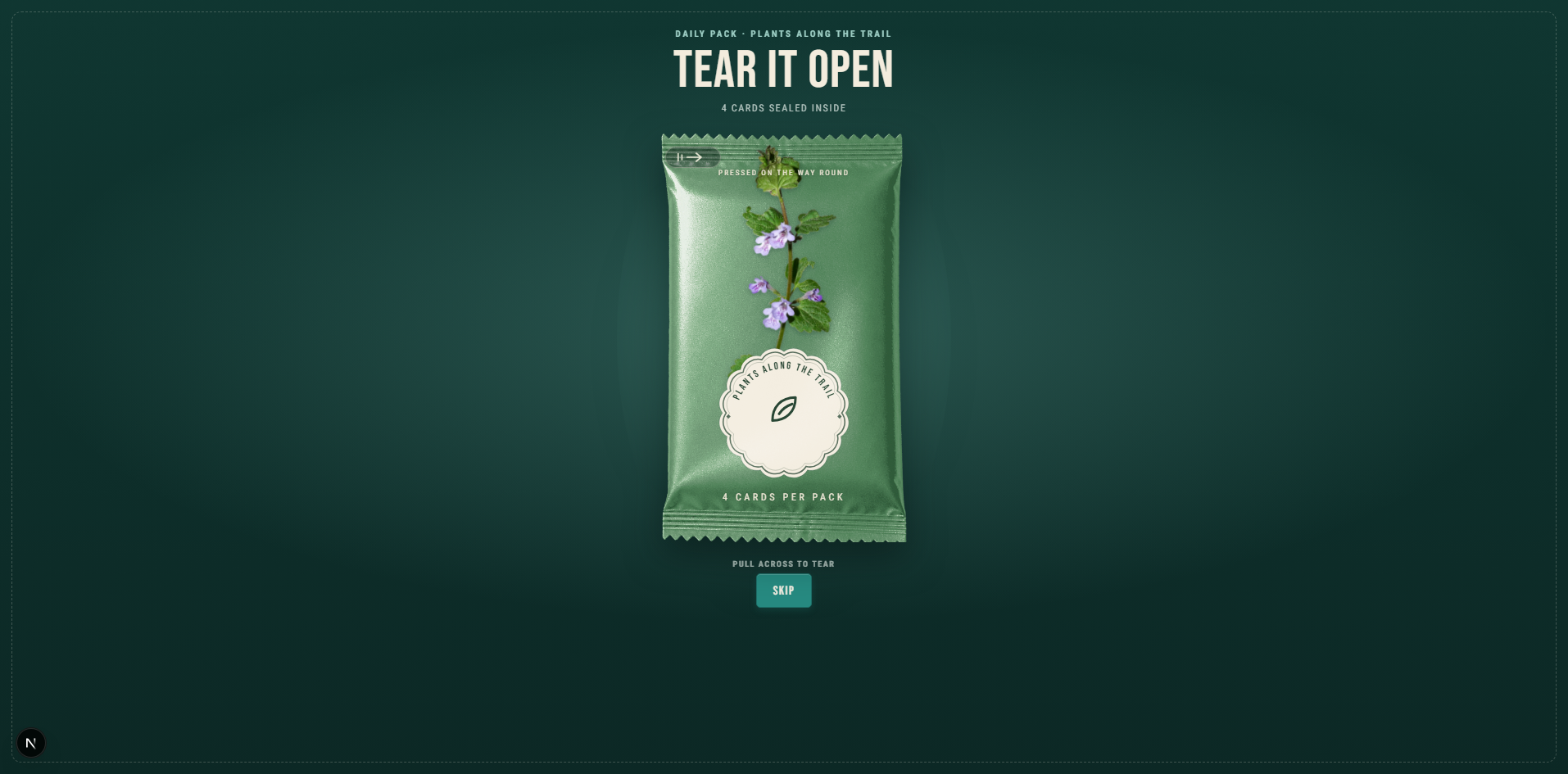
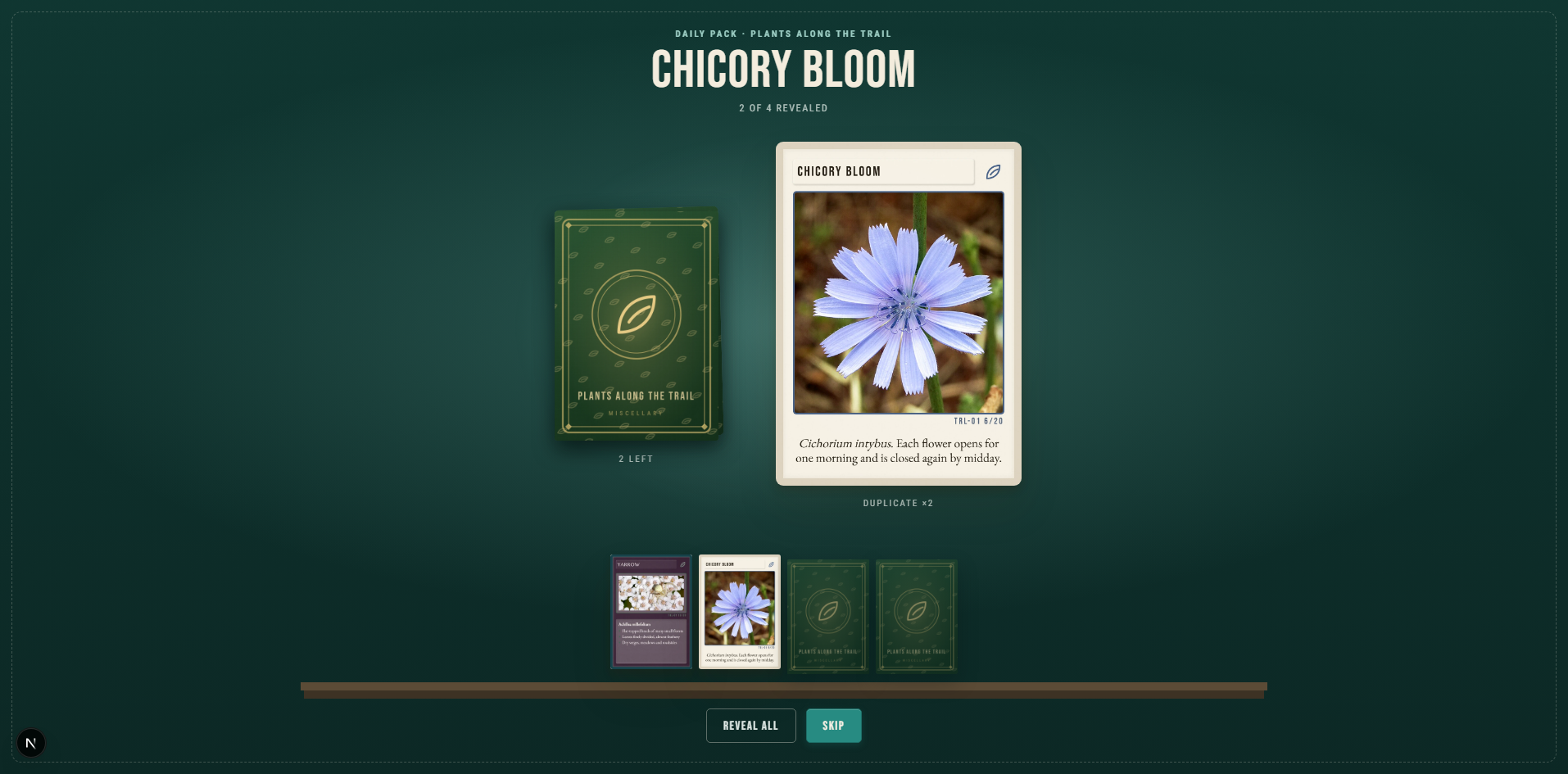
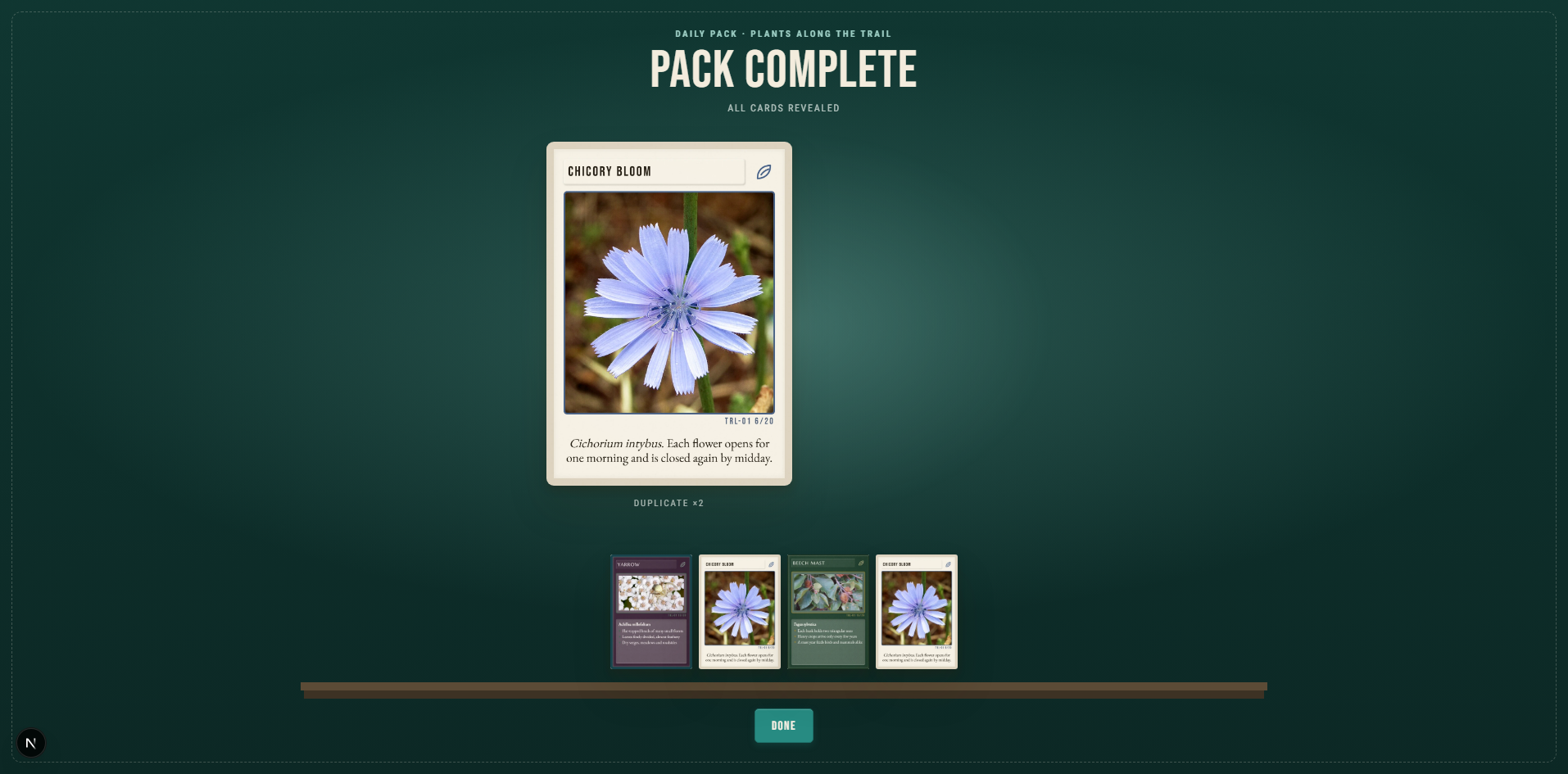
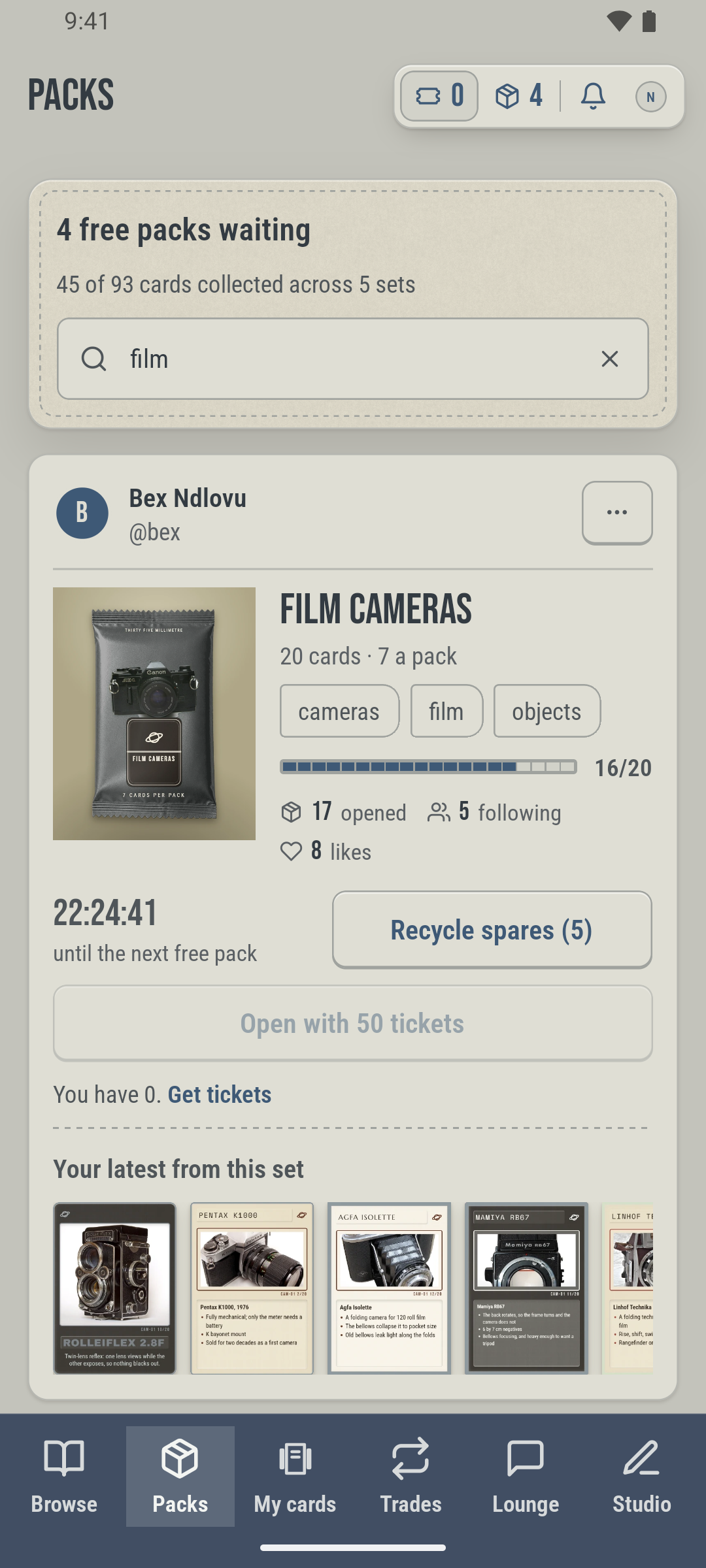
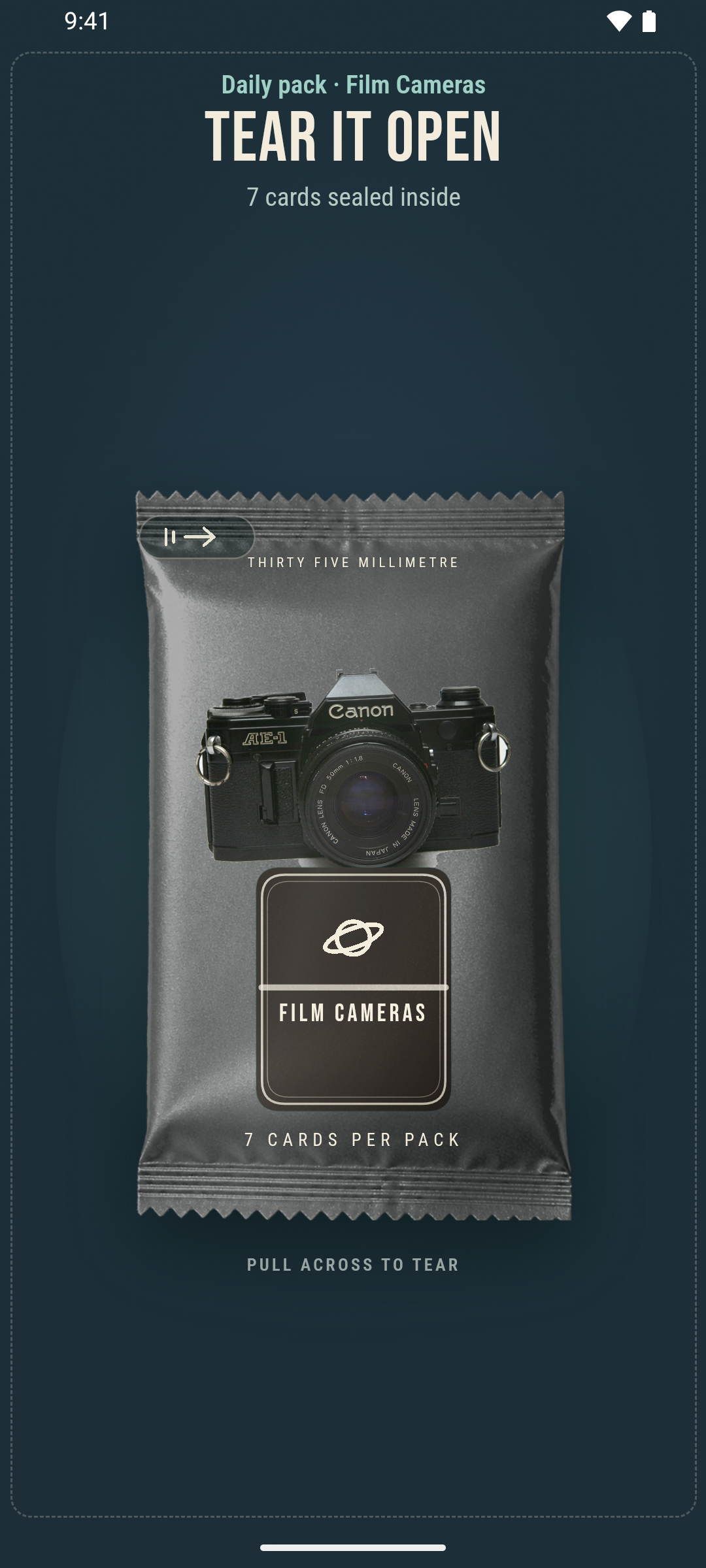
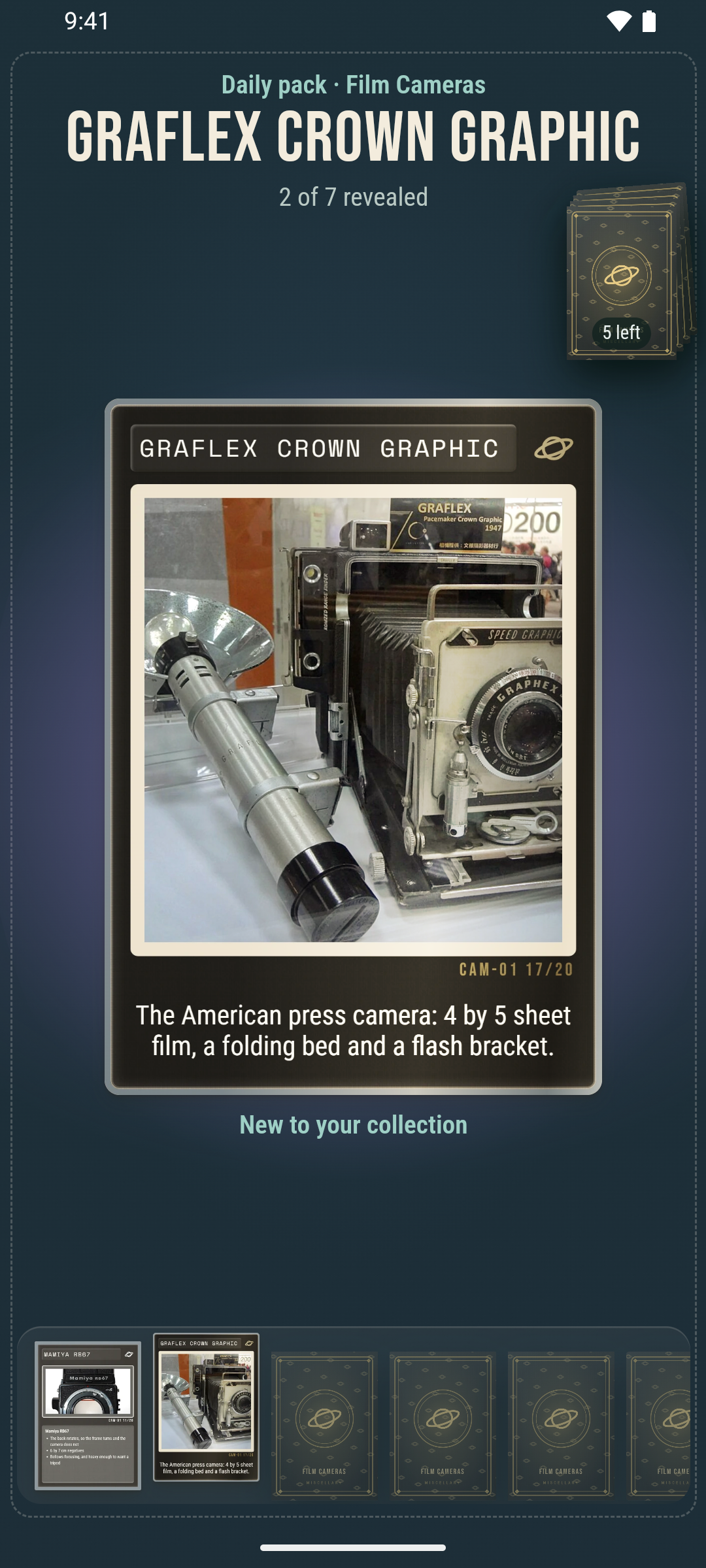
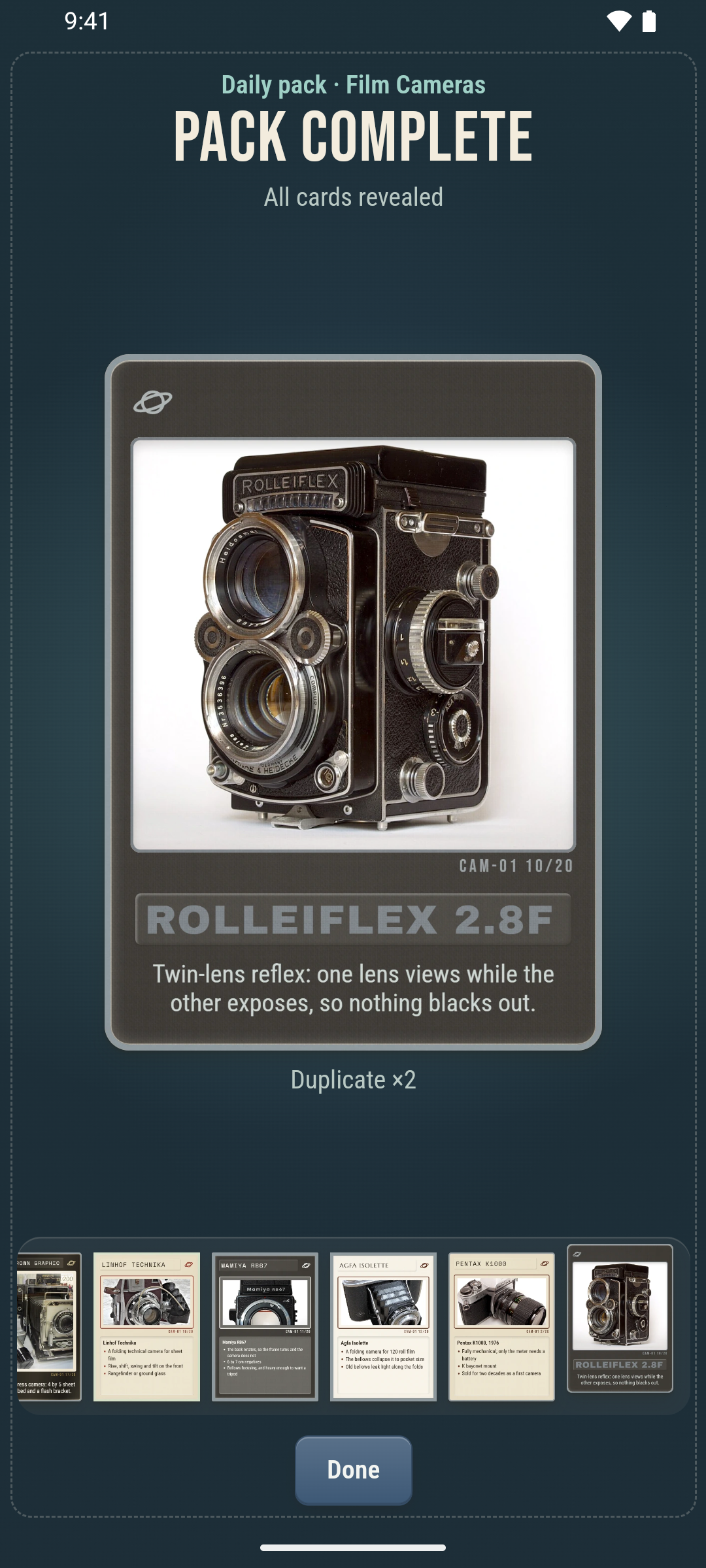
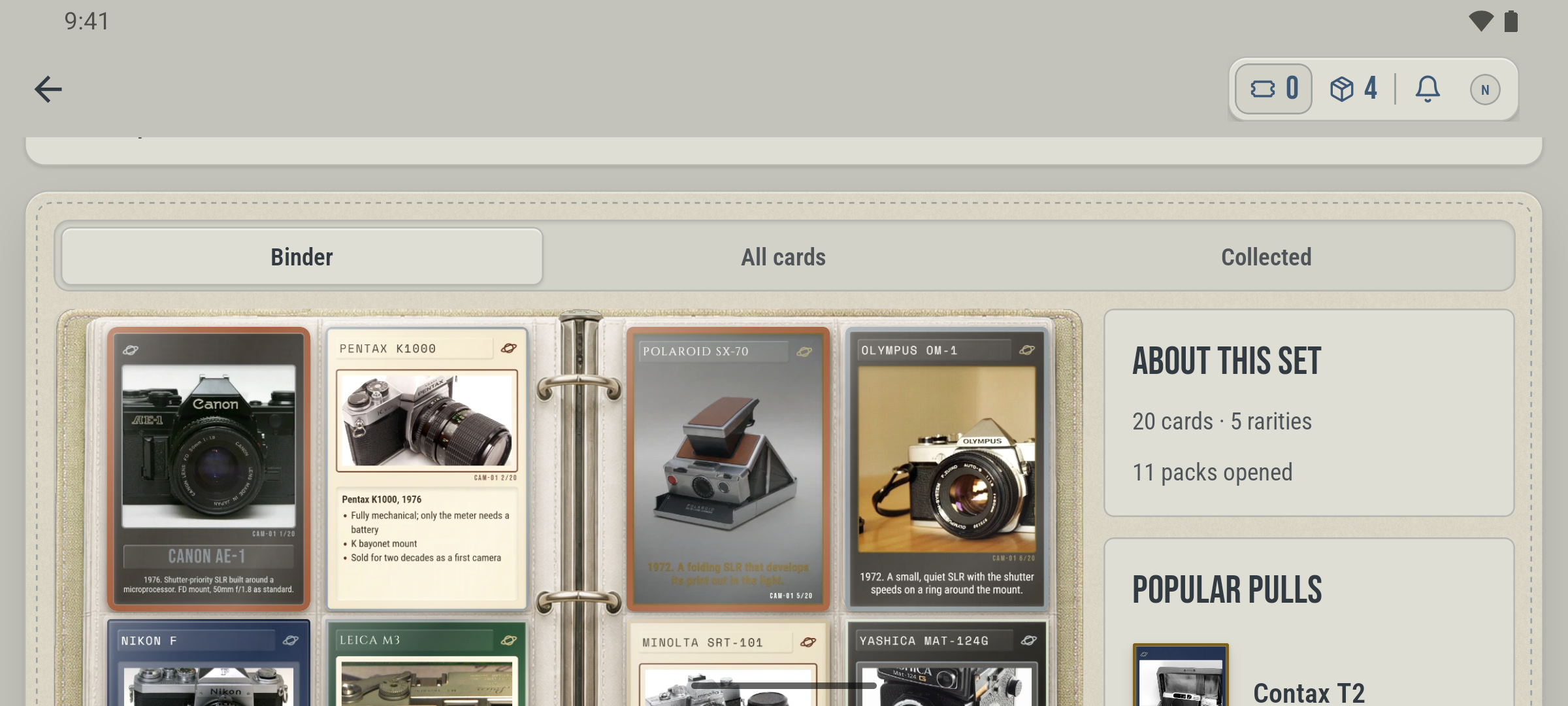
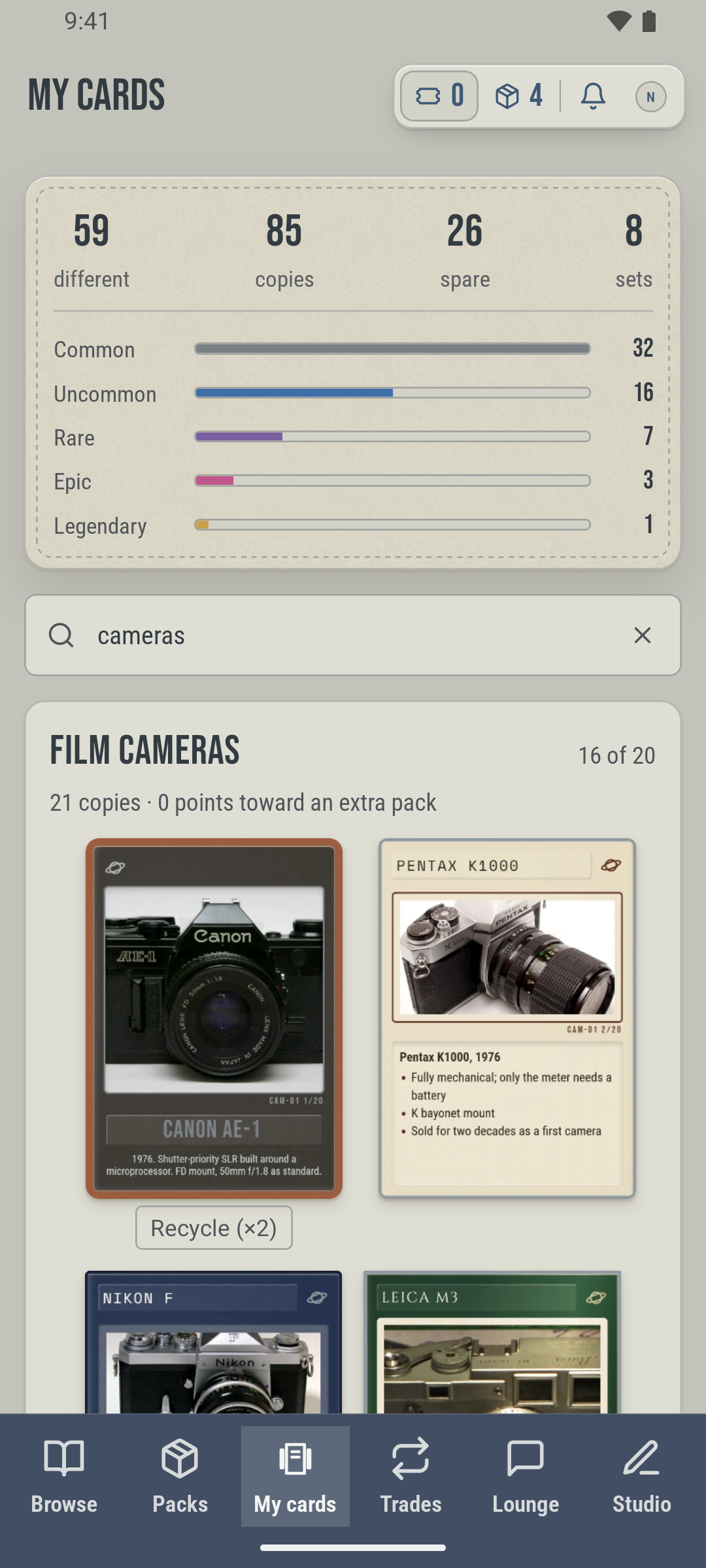
Miscellary started with the idea of letting people turn almost any subject into a collectible card set. Creators design and publish sets, while other users collect them through packs and trade owned copies.

The project grew into a full web and mobile product with social features, collection management, and a shared card rendering system. A lot of the technical work has gone into keeping ownership, trading, published card data, and visual rendering consistent across both platforms.
2/5

Portlore

Geographic data and travel planning

Live

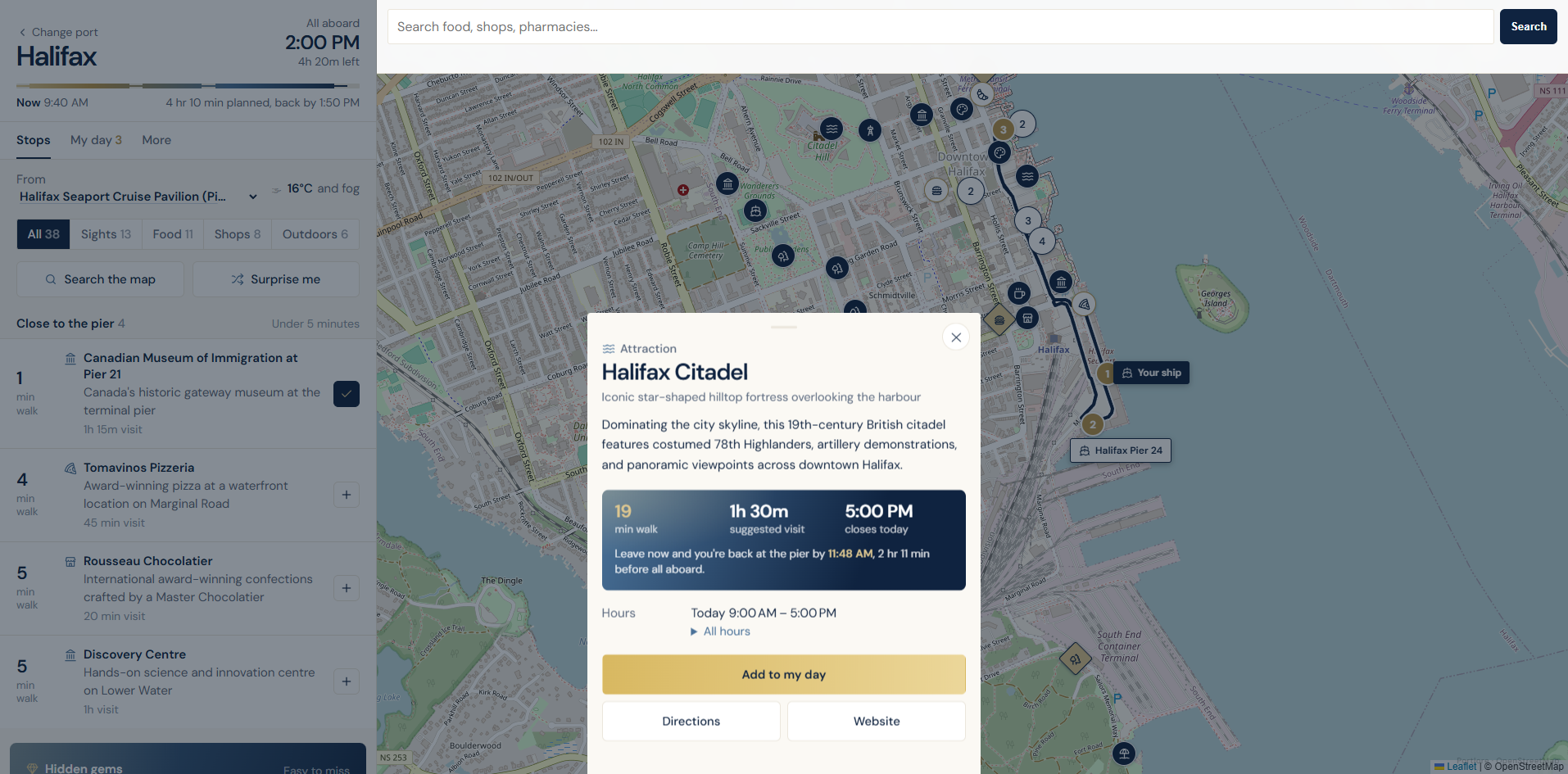
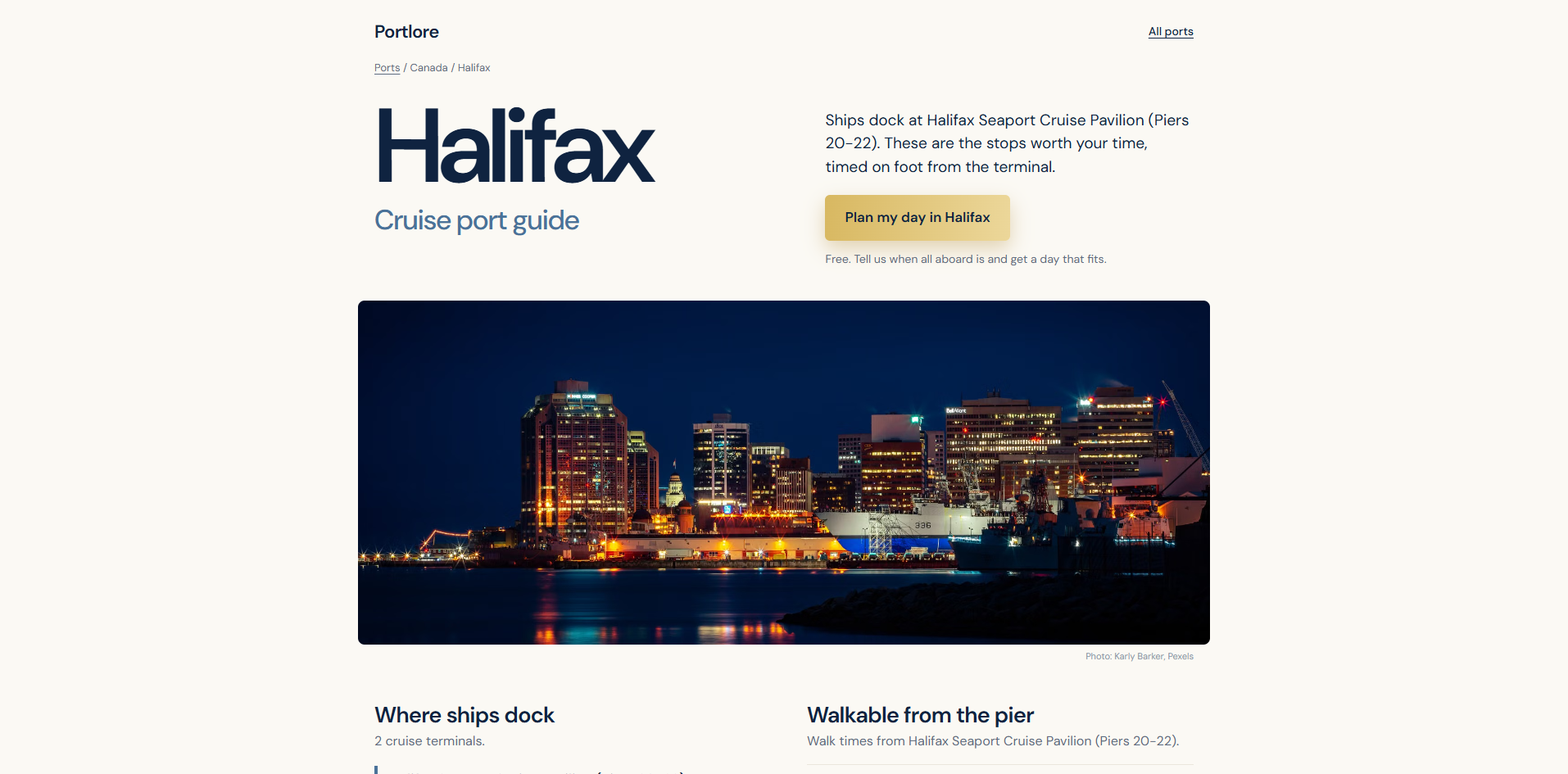
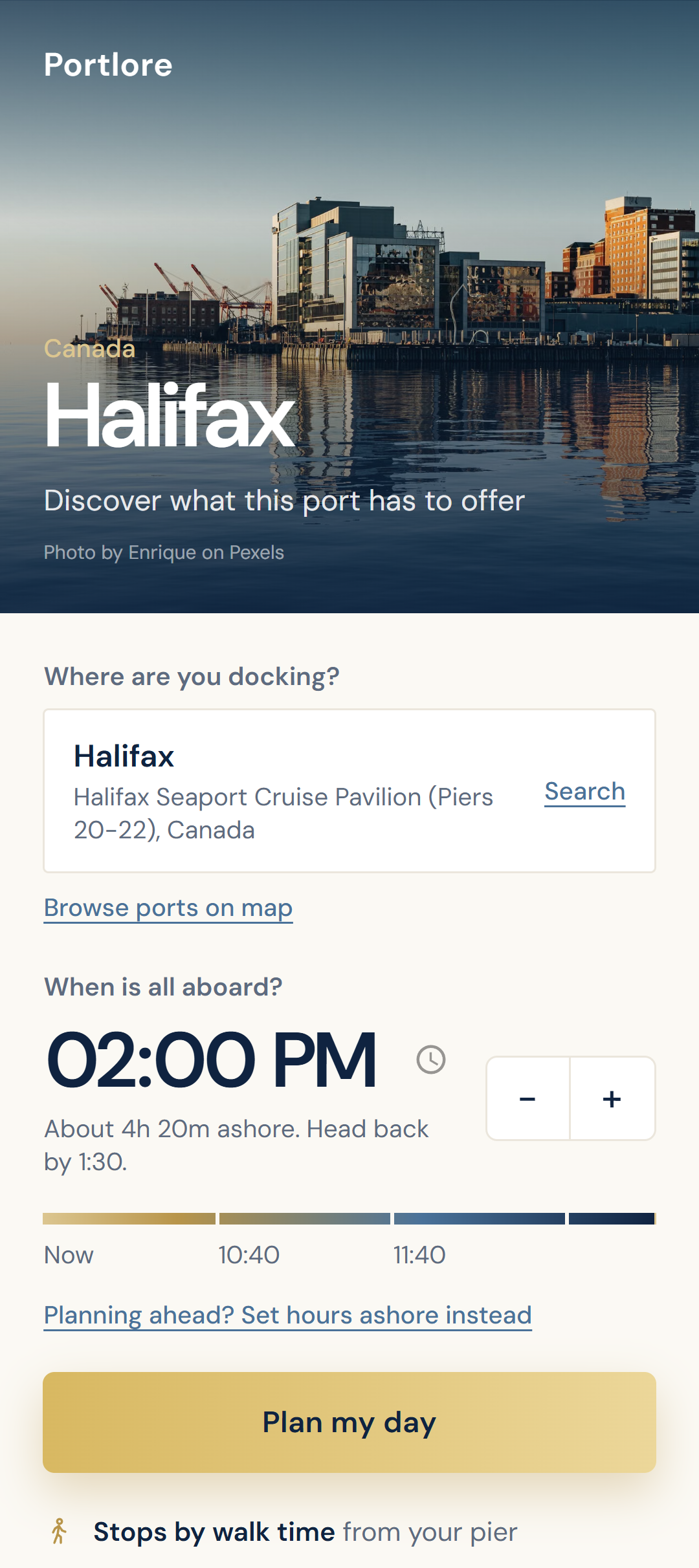
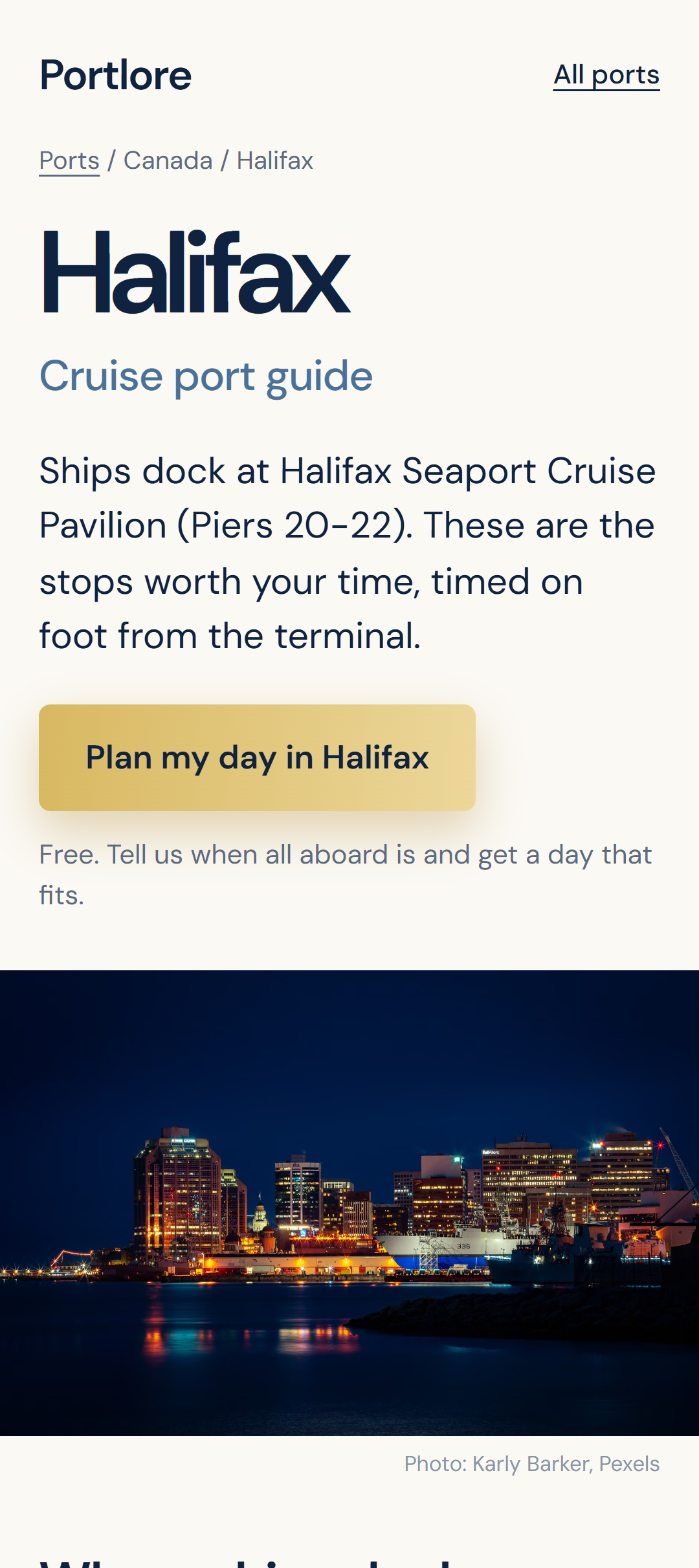
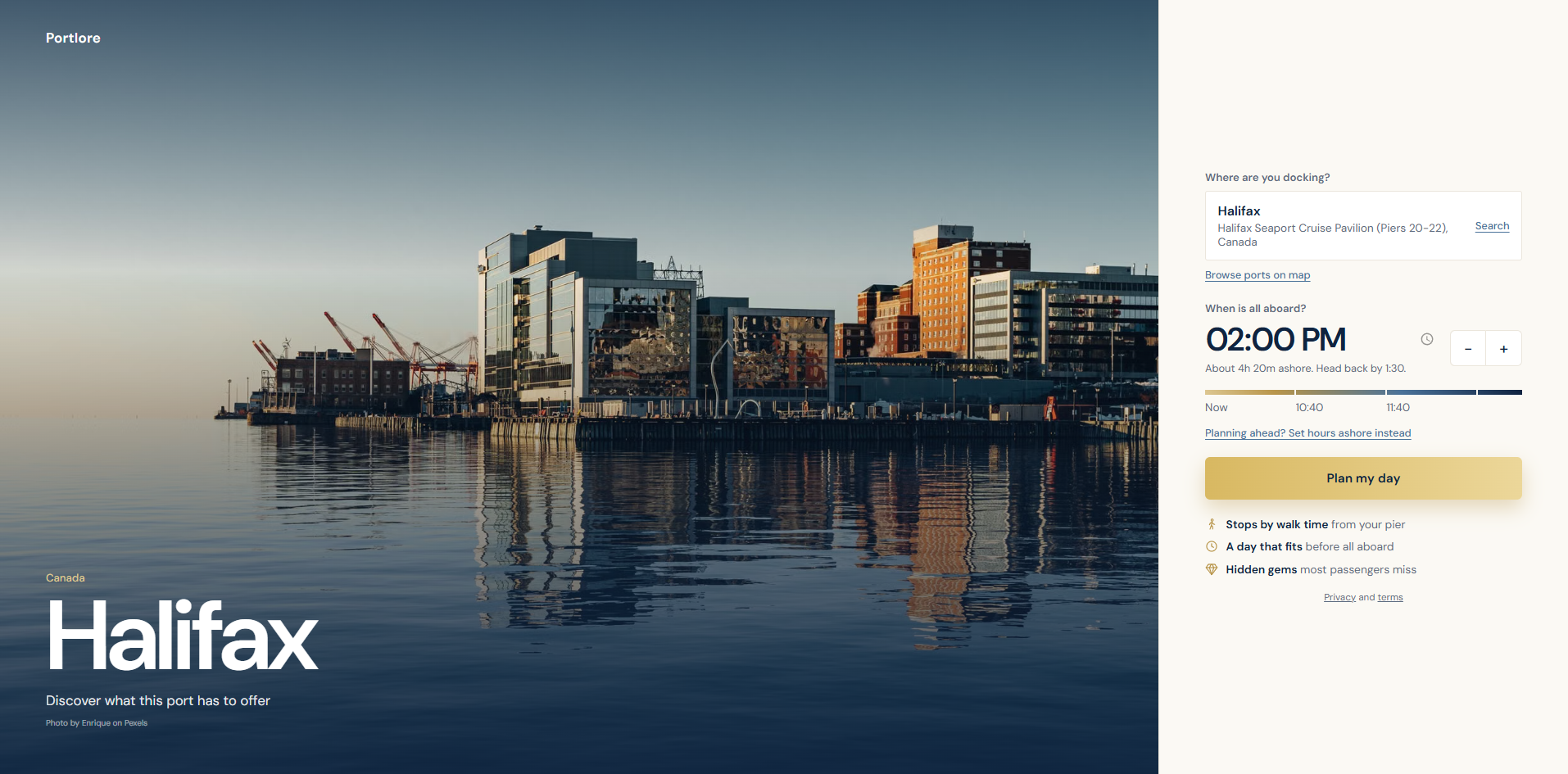
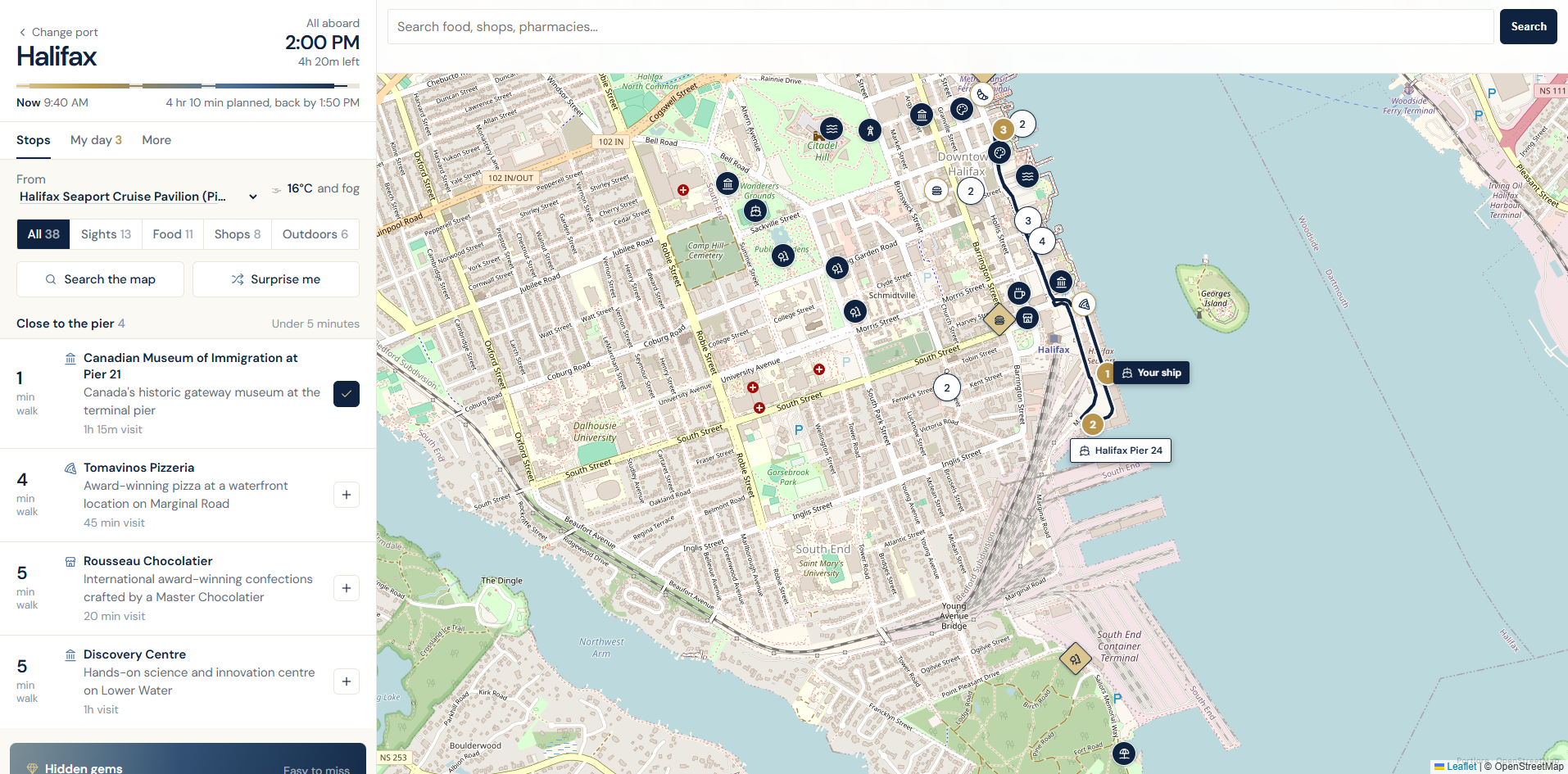
A cruise-port guide built around what makes each stop worth exploring

Cruise passengers often only see the obvious attractions near a port and miss the smaller places that give a destination its character.

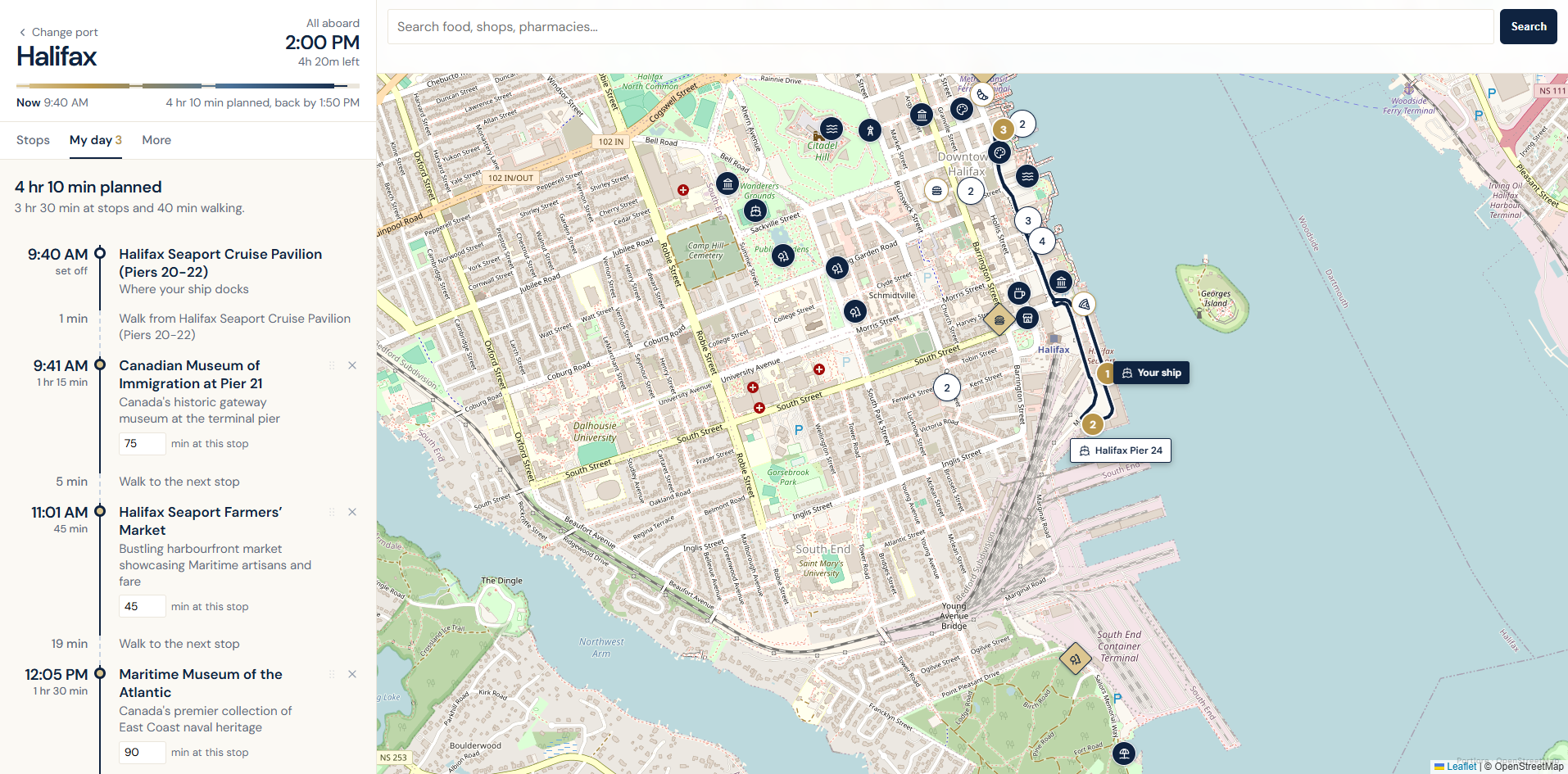
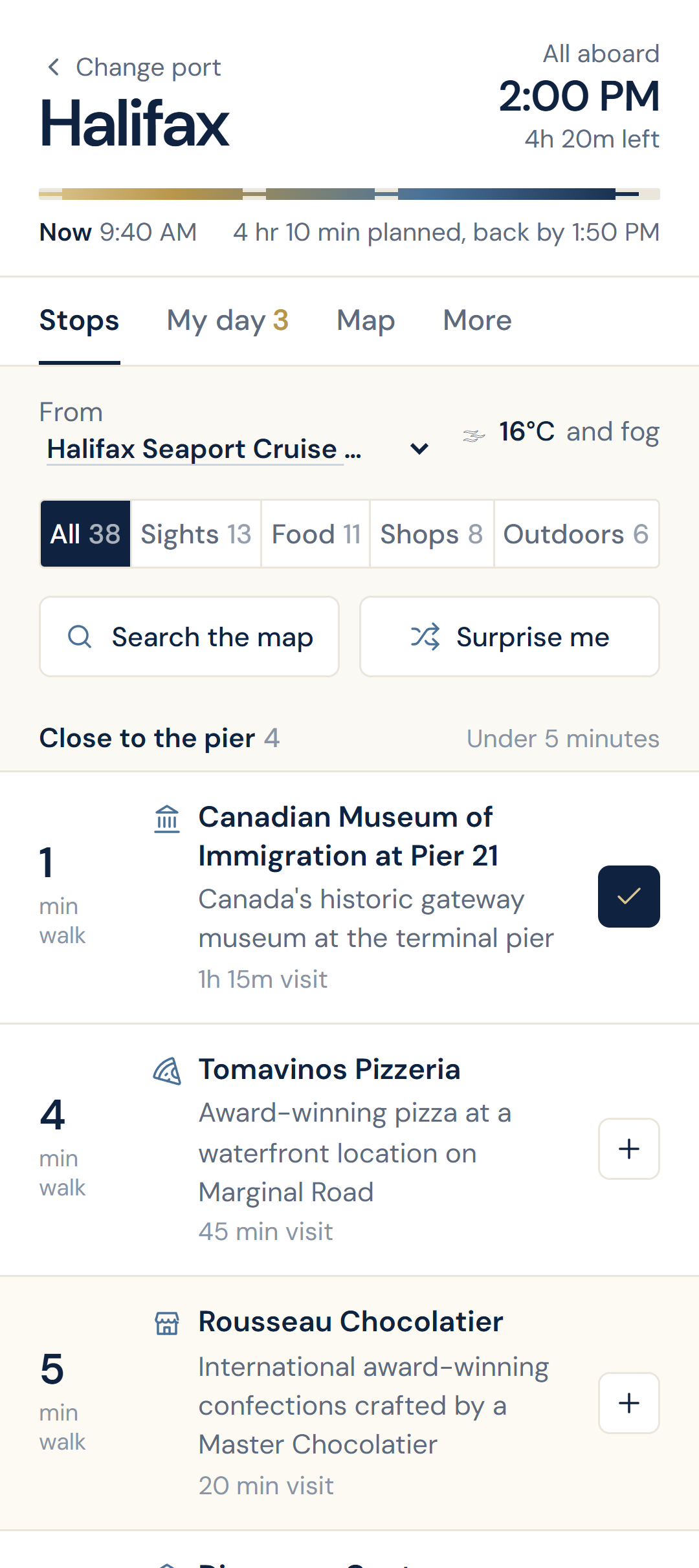
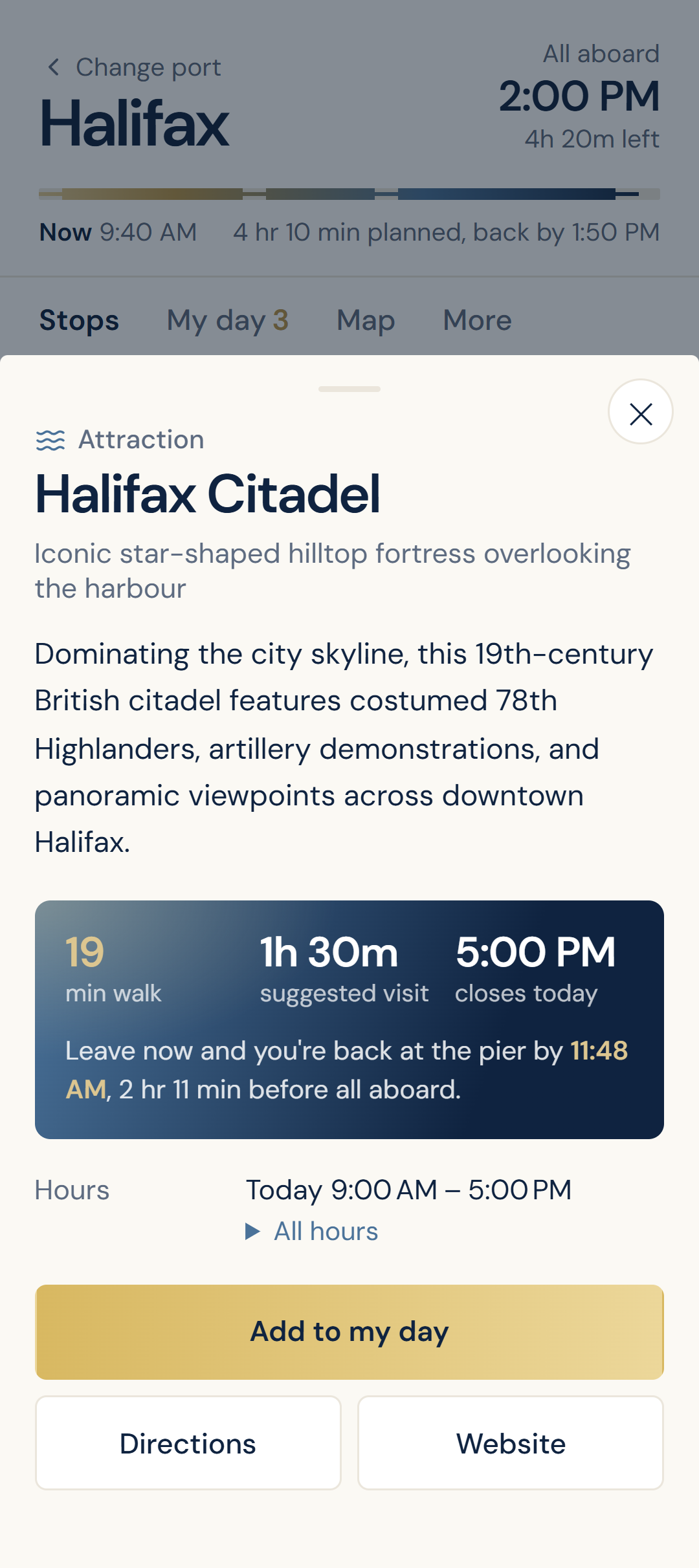
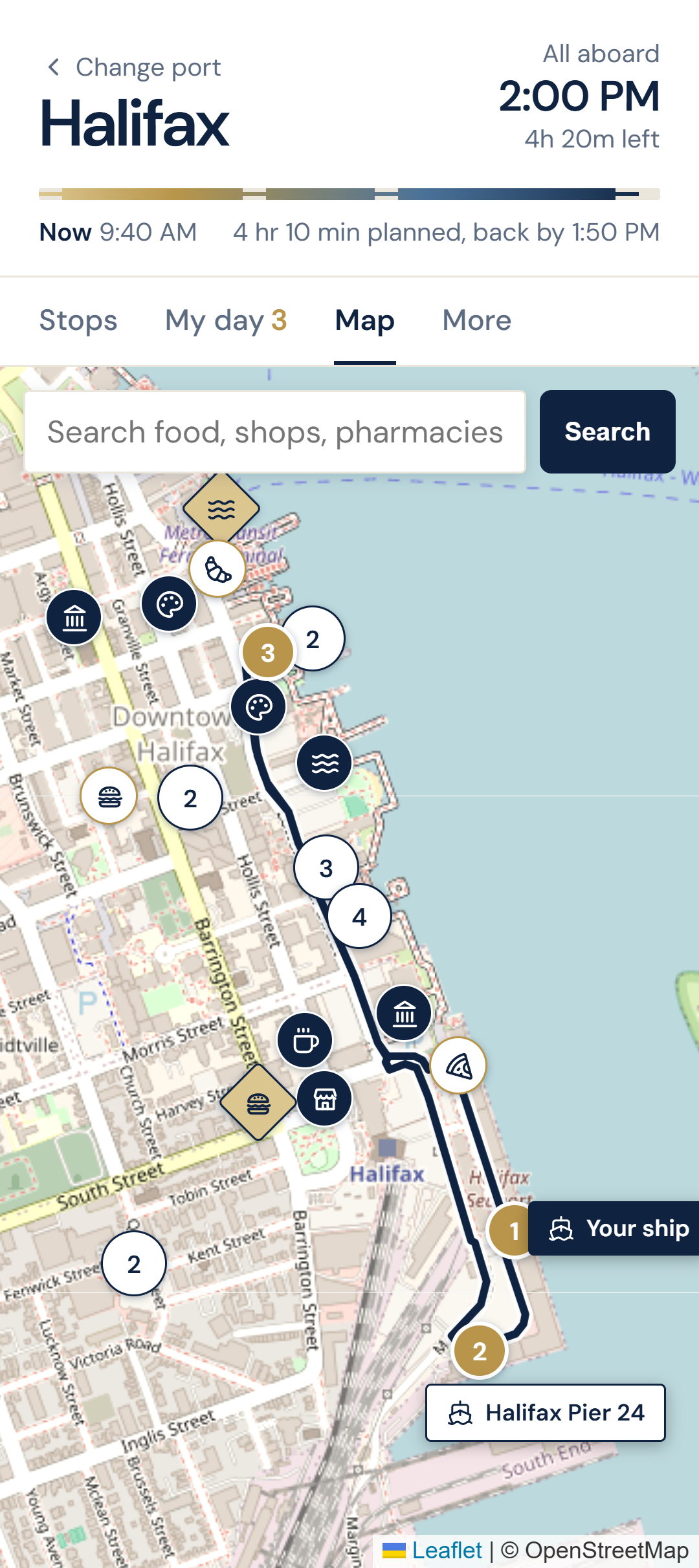
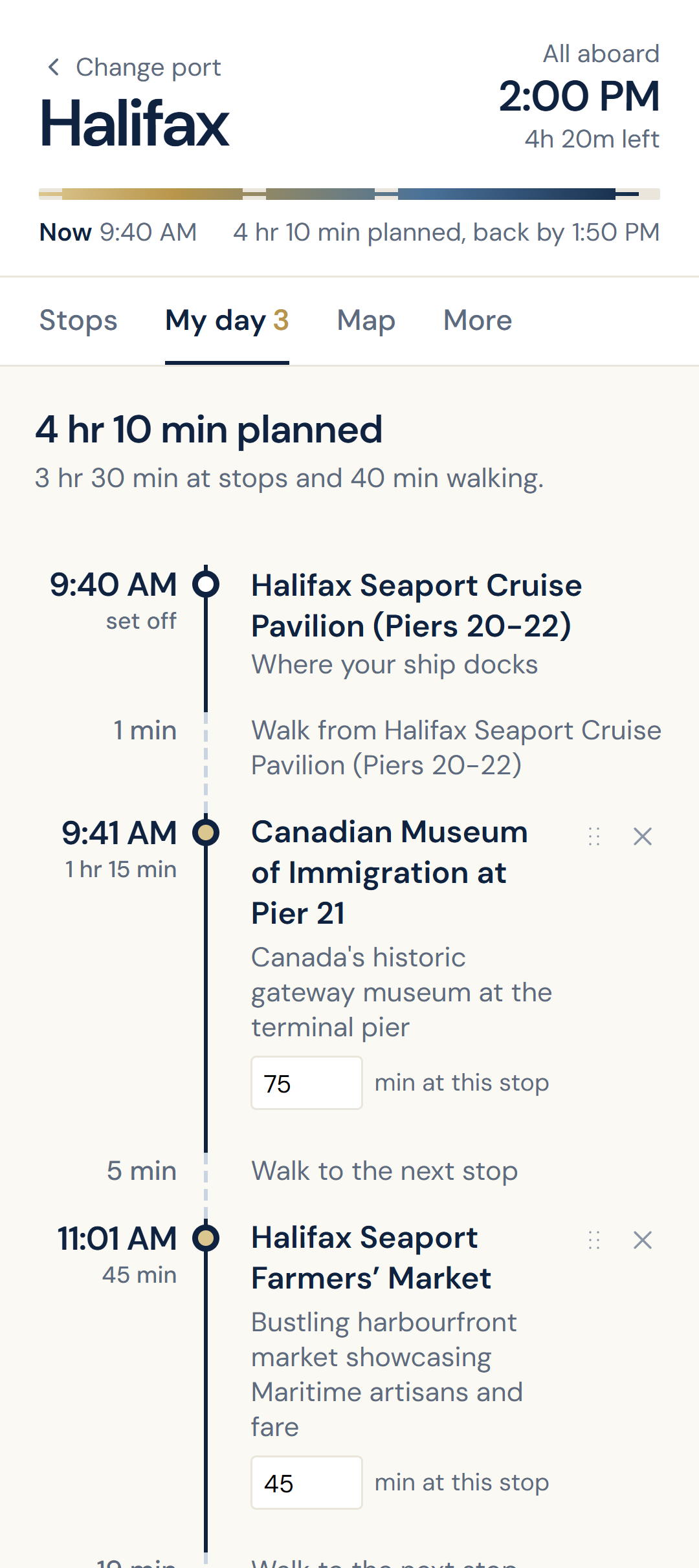
Portlore makes those places easier to find. It starts from where passengers actually disembark, gathers nearby points of interest, and narrows them into a practical set of recommendations that includes both major sights and worthwhile local finds. Passengers can turn those recommendations into a realistic plan for the time they have ashore, on the web or in the Android app, which can also remind them when it's time to head back to the ship.
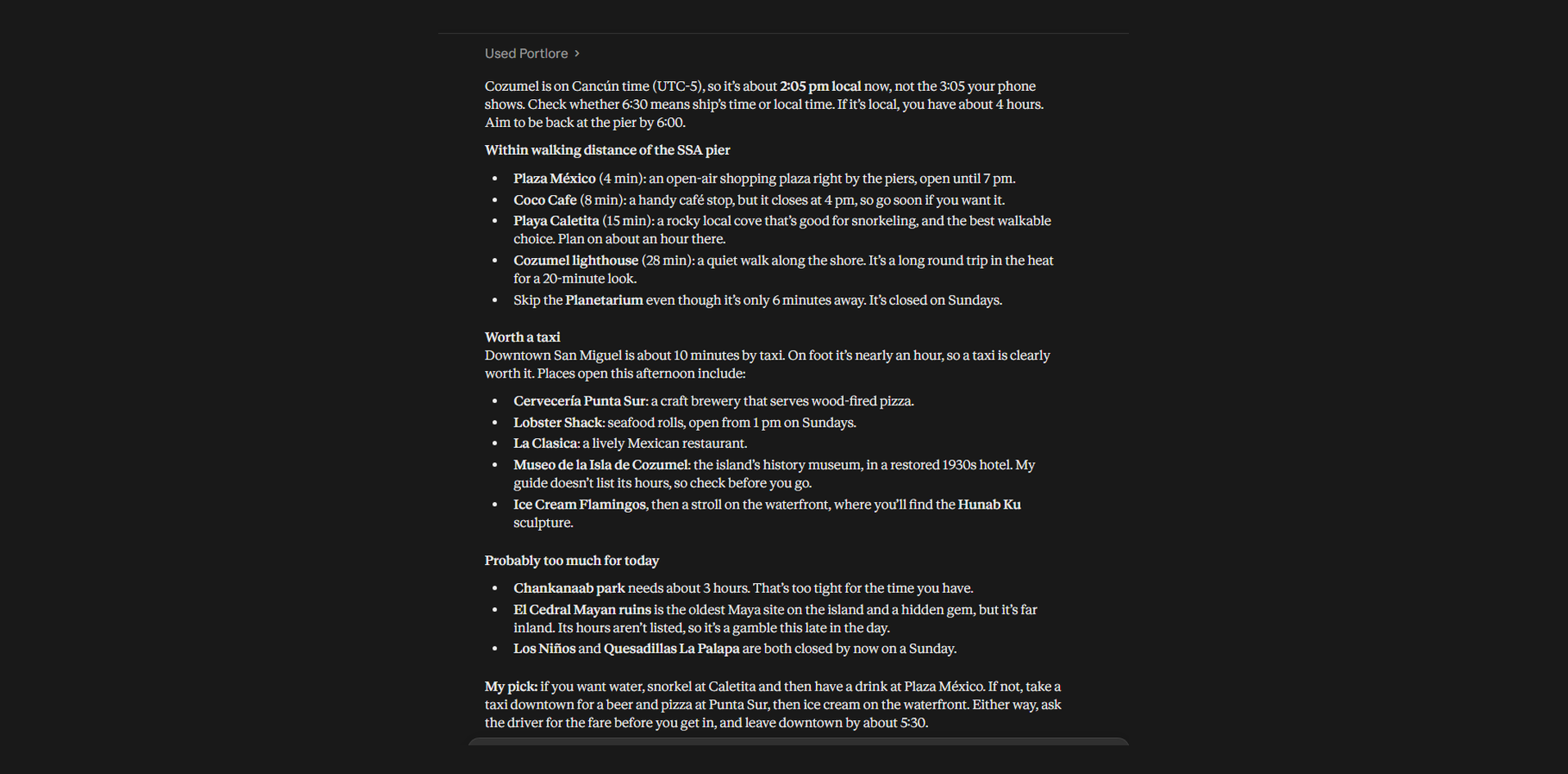
The guides are also open to AI assistants. A public MCP server lets Claude and other assistants look up ports, read a guide and list stops by walking time from the pier, so a passenger can ask for a plan in chat and get one built from Portlore's real data.

3/5

TraceTray

Behavioural analytics

Live

Behavioural analytics from lightweight interaction data

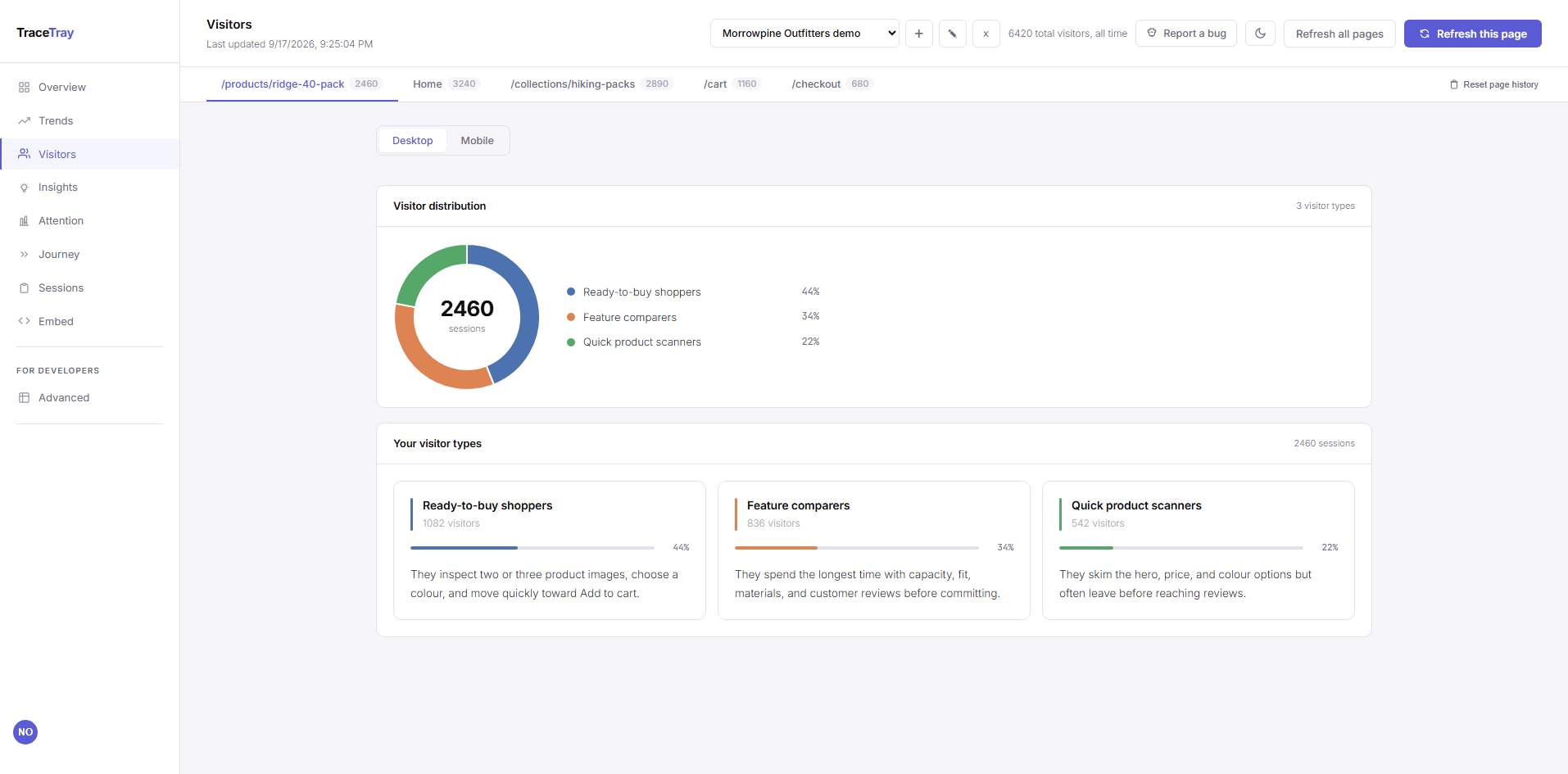
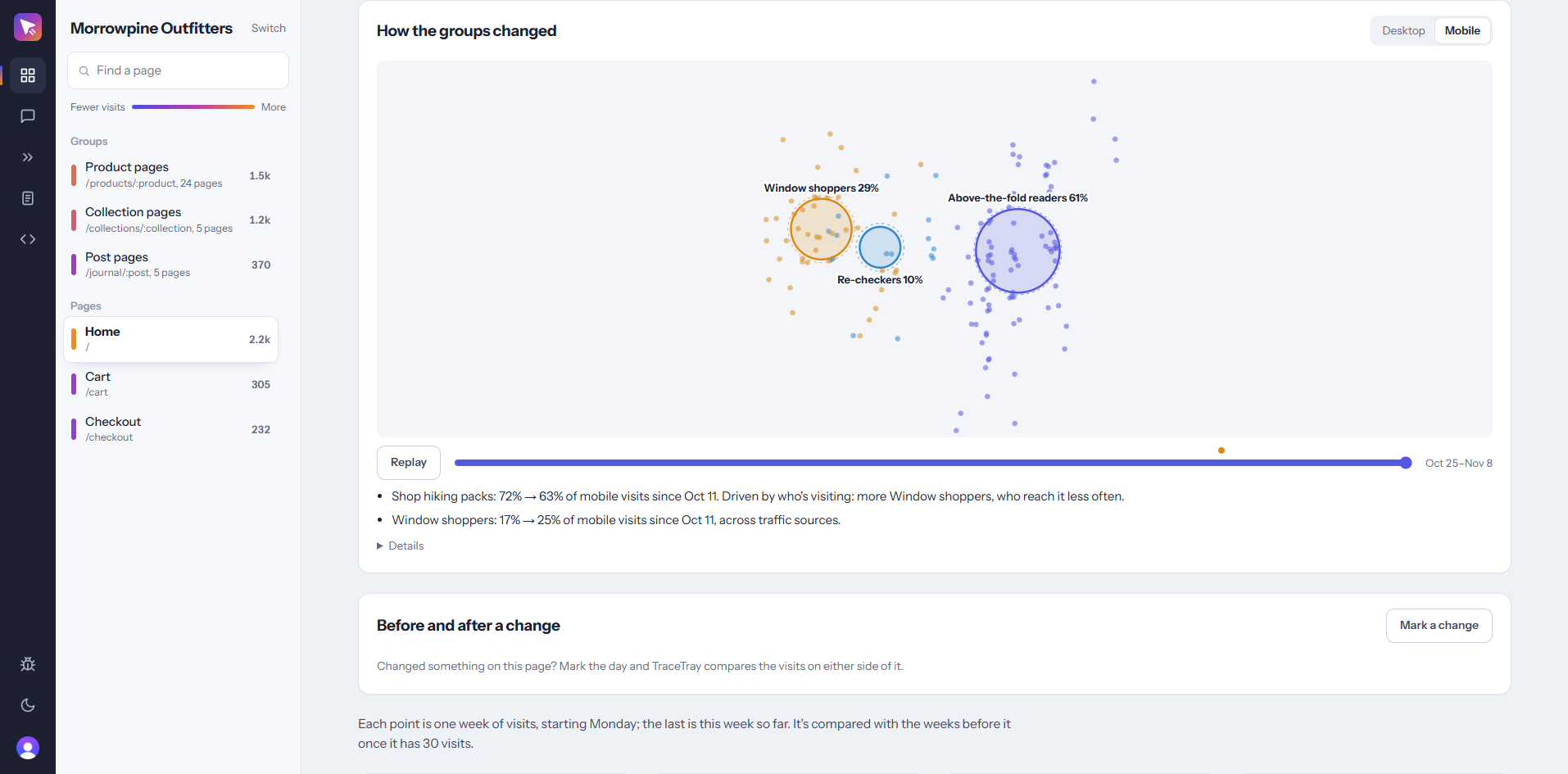
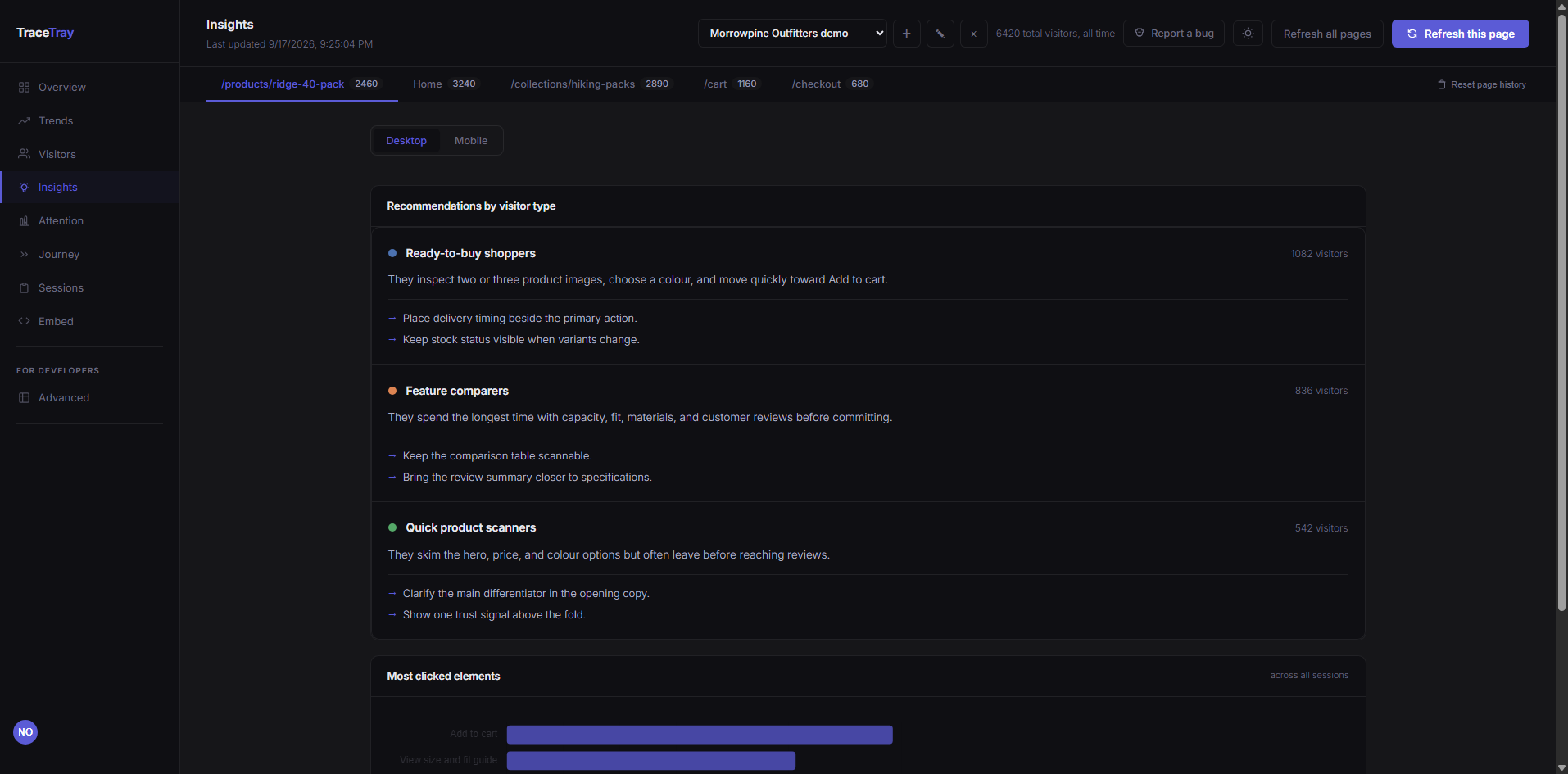
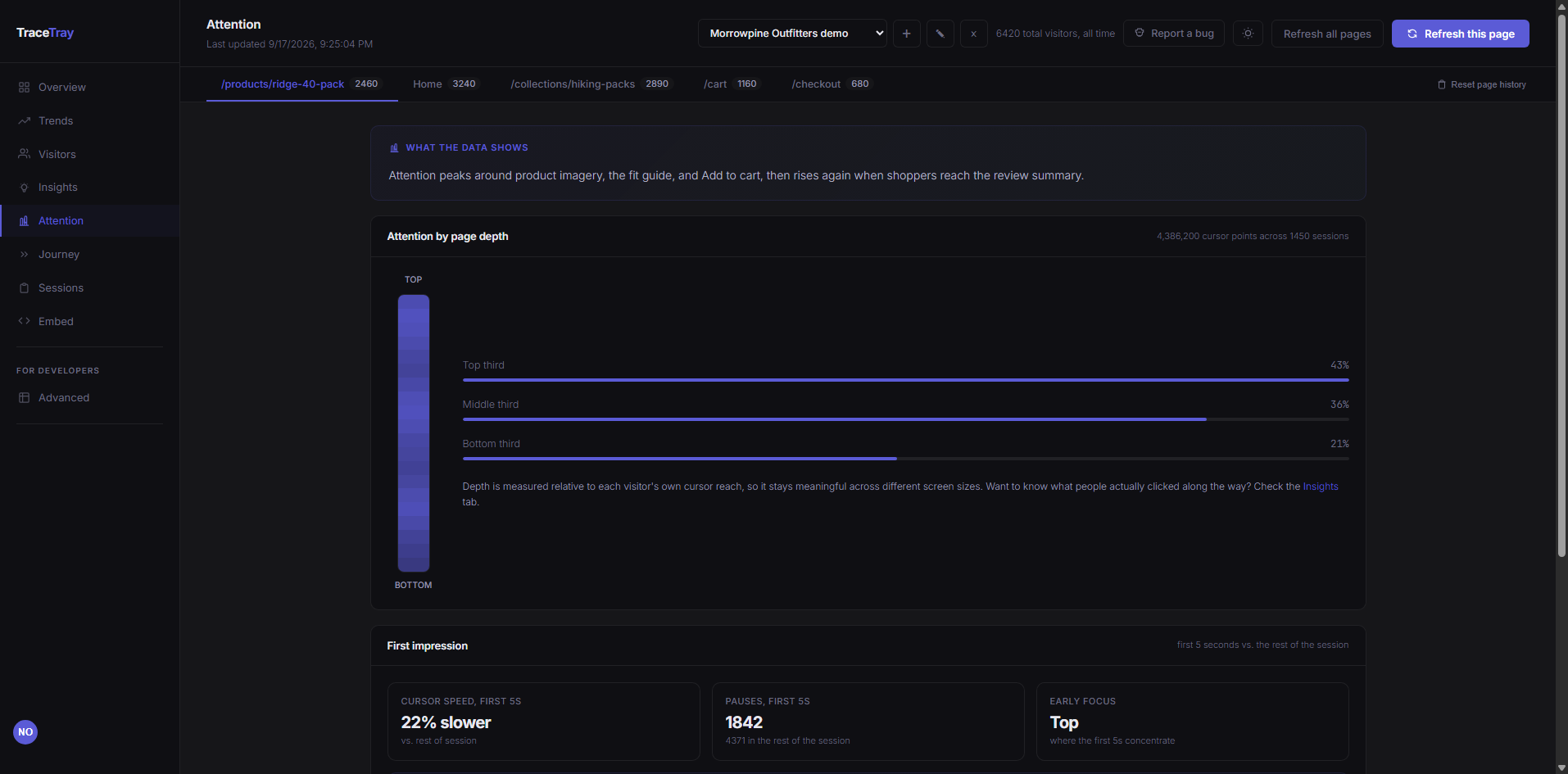
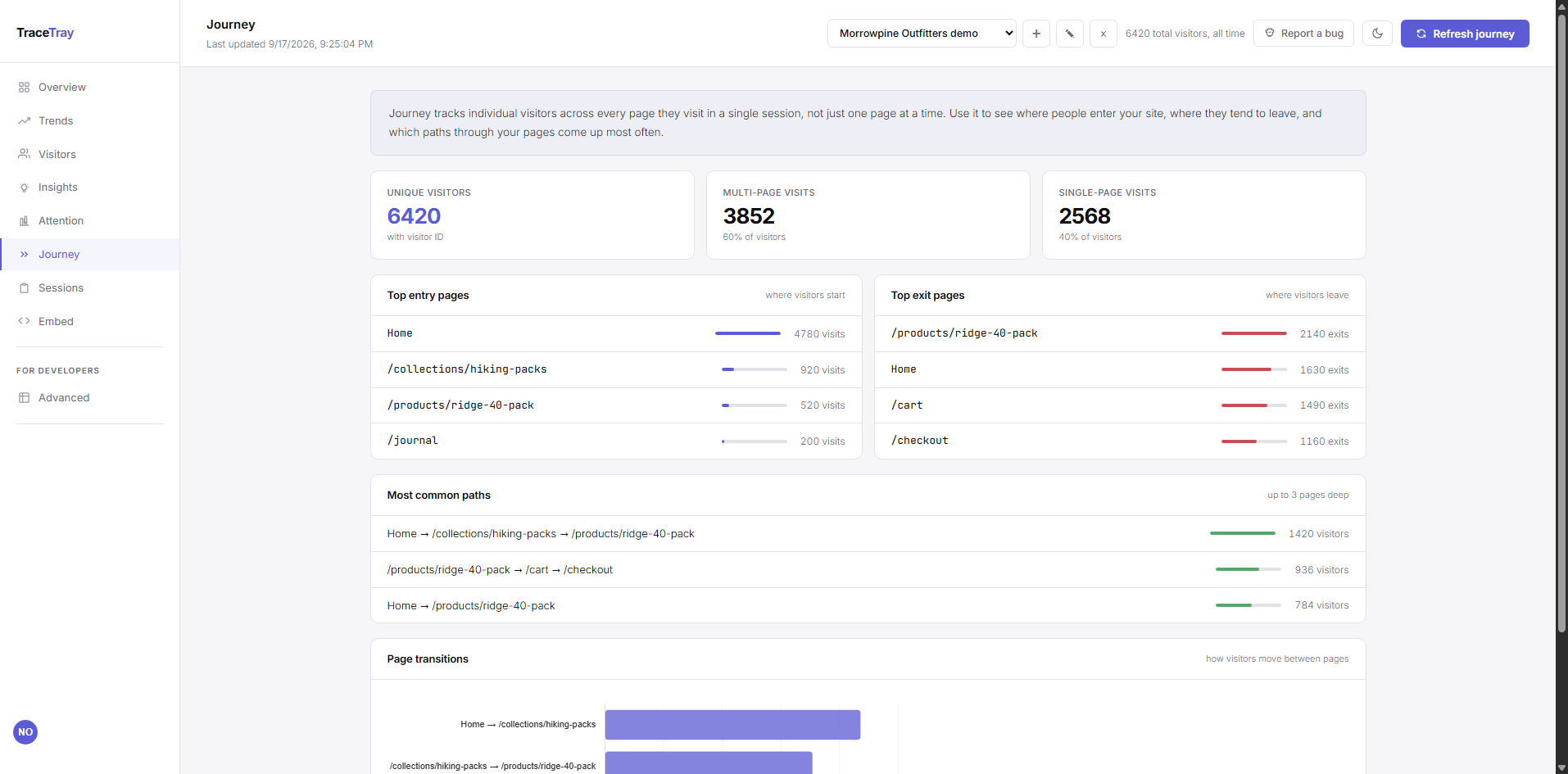
TraceTray is built around the idea that you can derive a surprising amount of useful behavioural information from very little raw data.

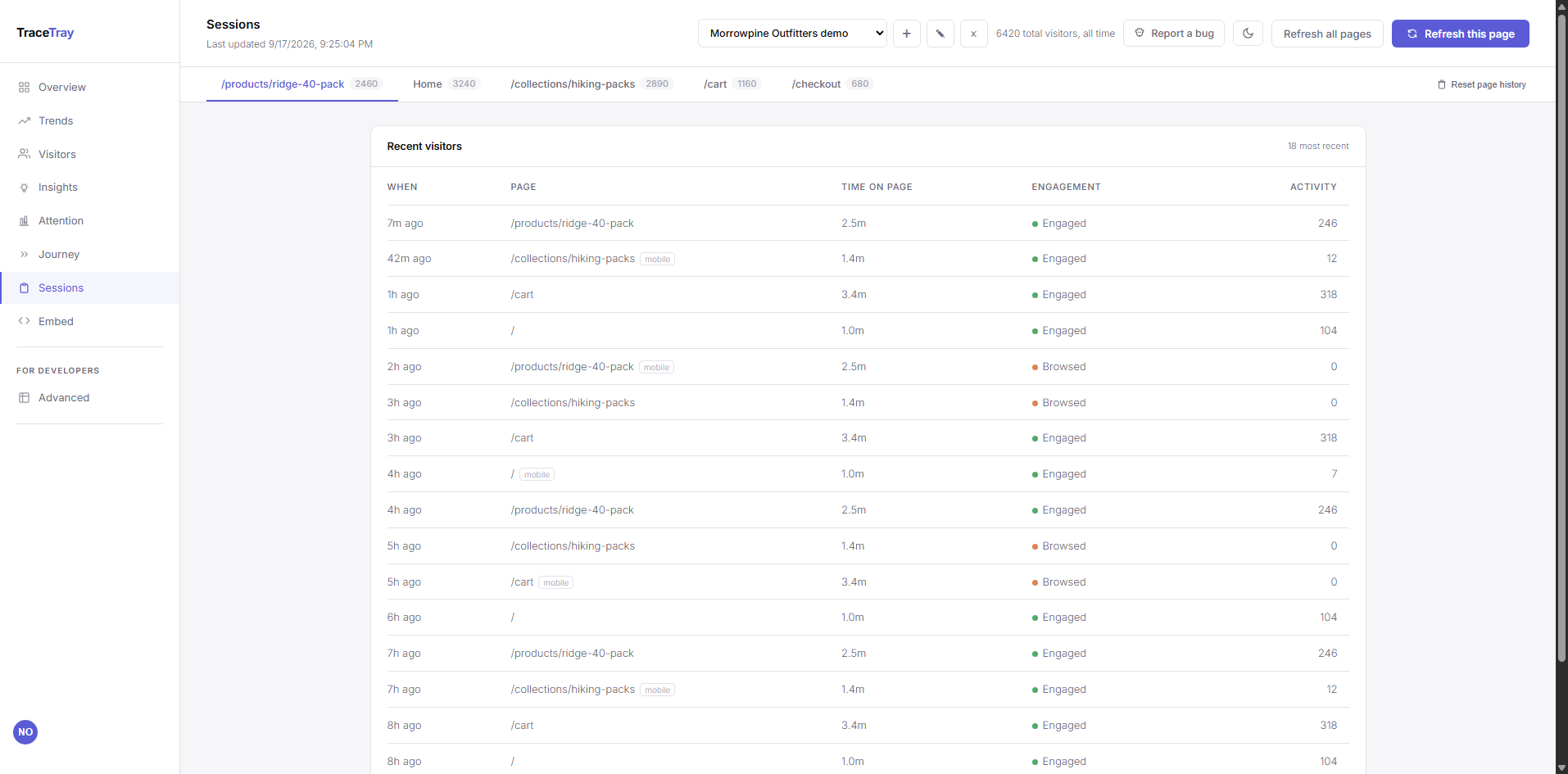
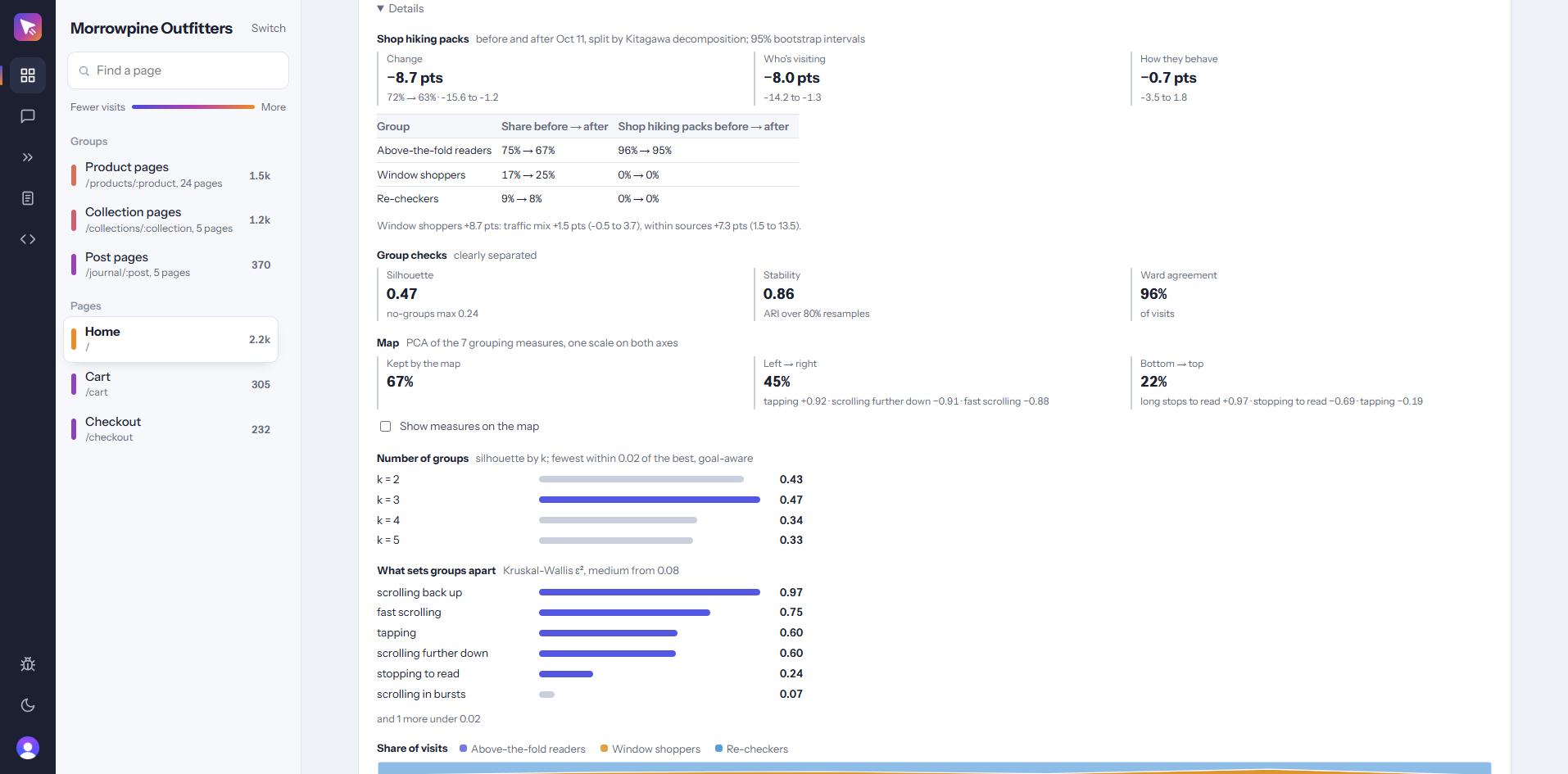
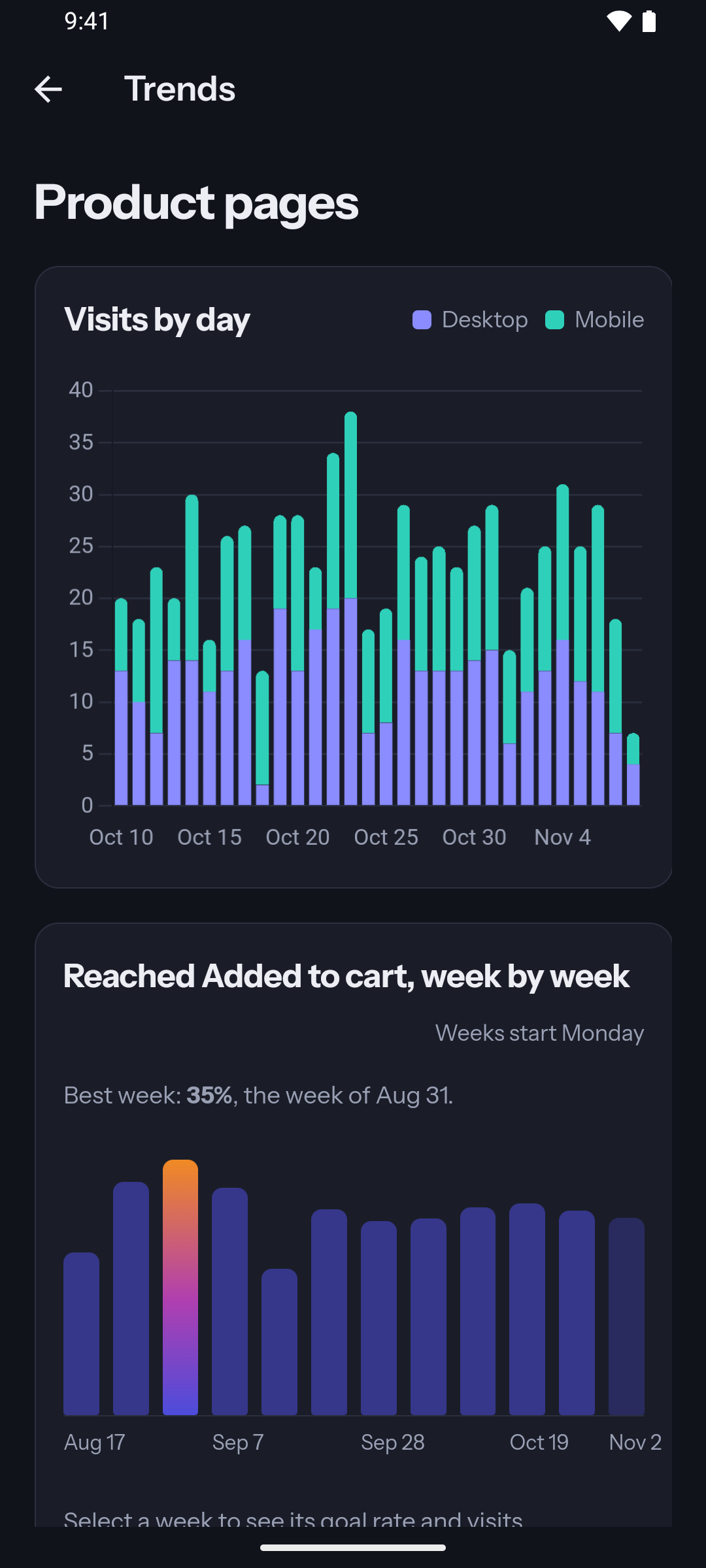
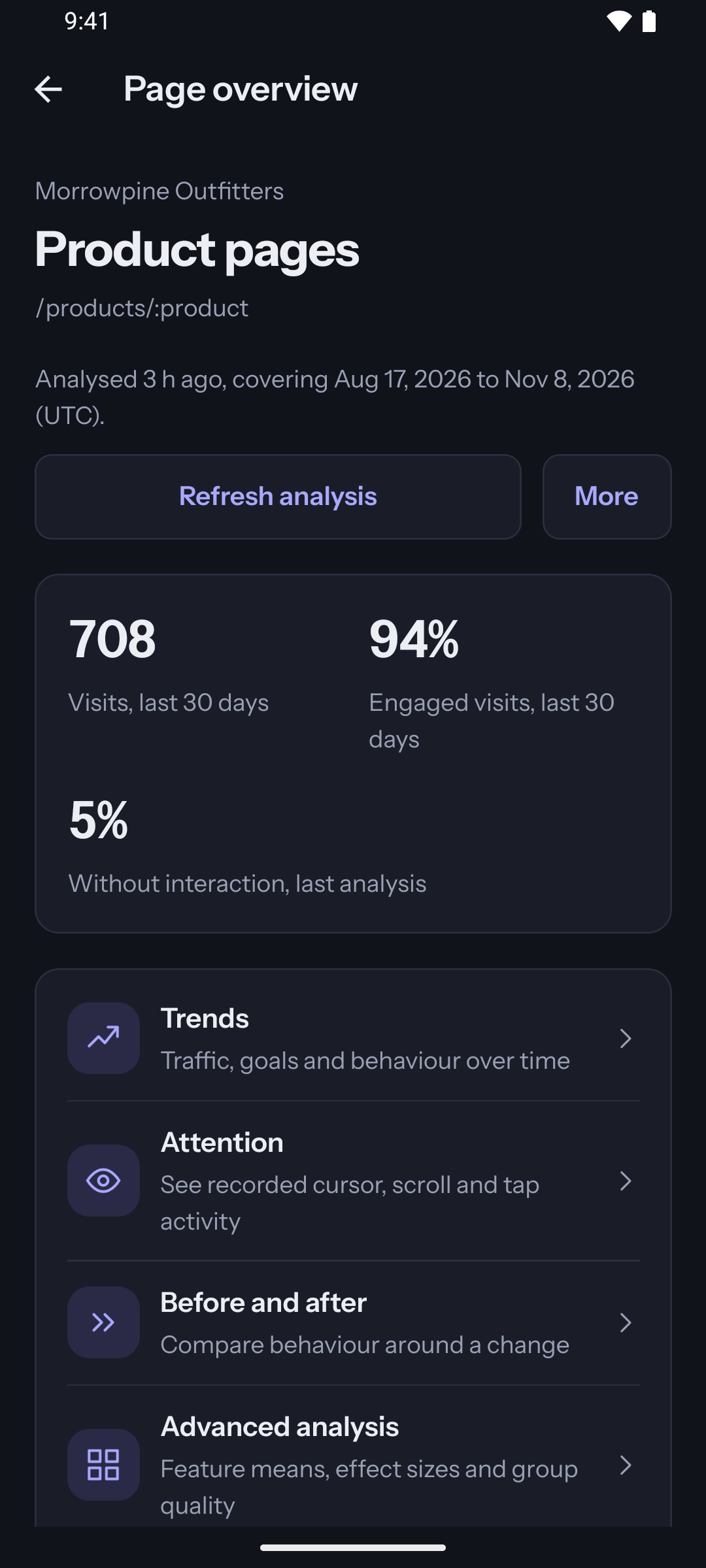
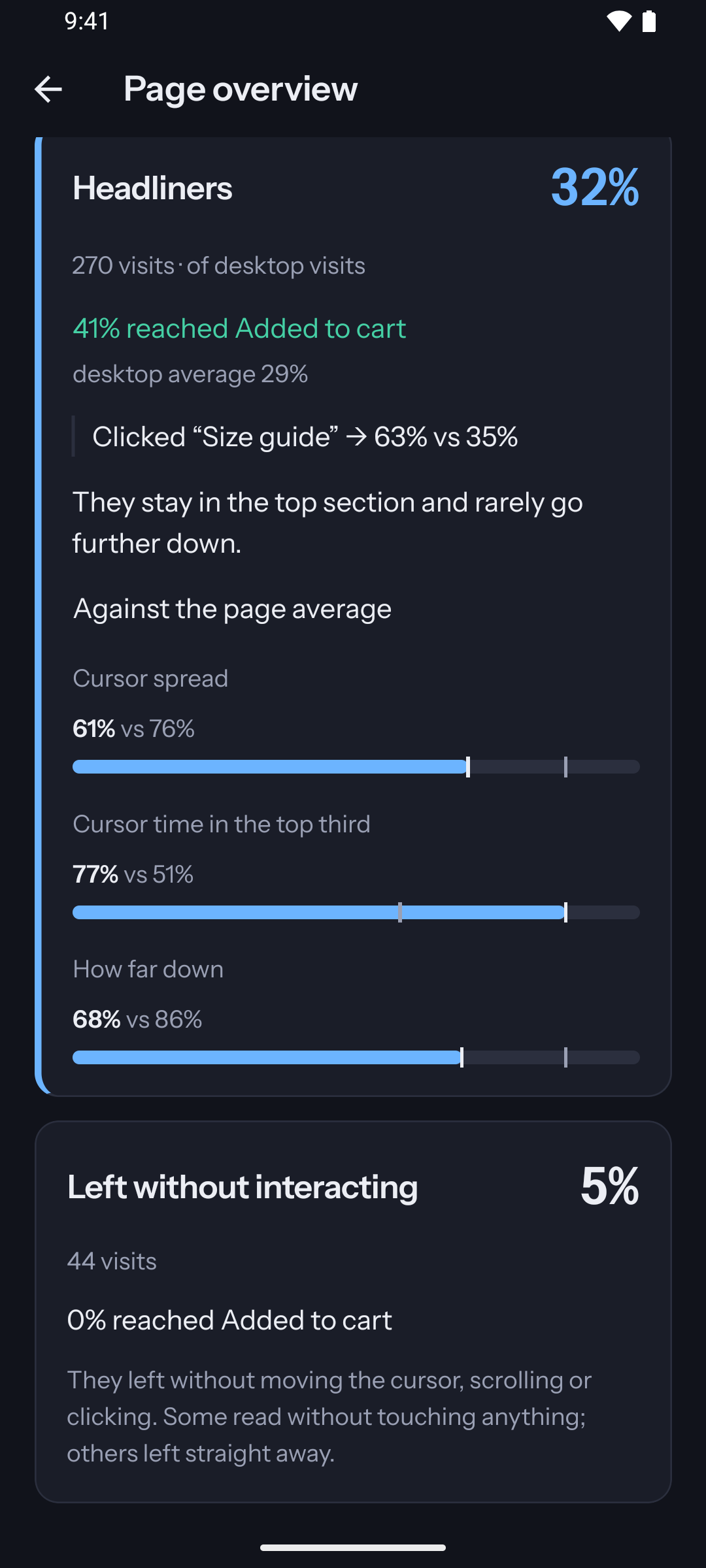
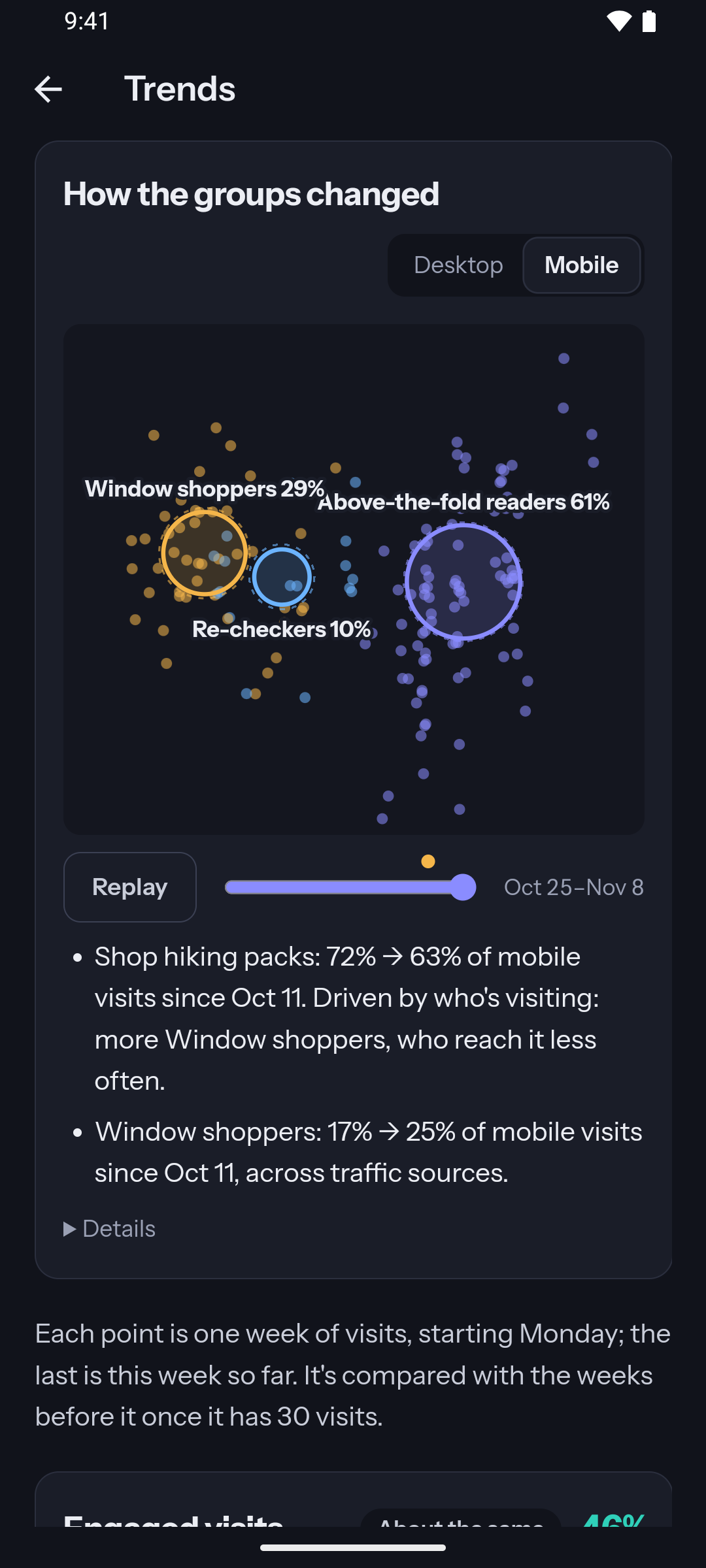
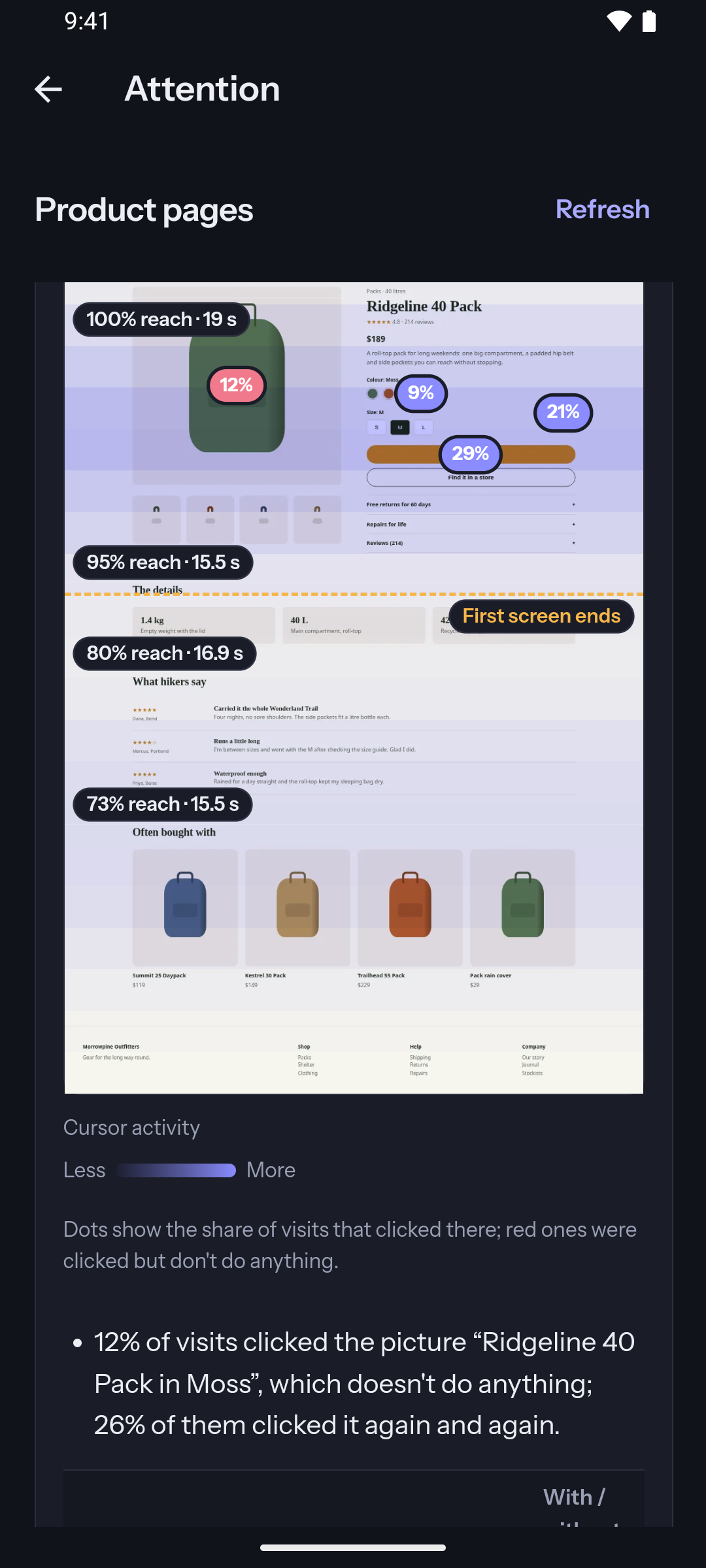
A lightweight tracker collects simple interaction signals such as cursor movement, clicks, scrolling, and pauses. Machine learning and analysis pipelines turn those signals into findings about attention, hesitation, movement, and engagement.

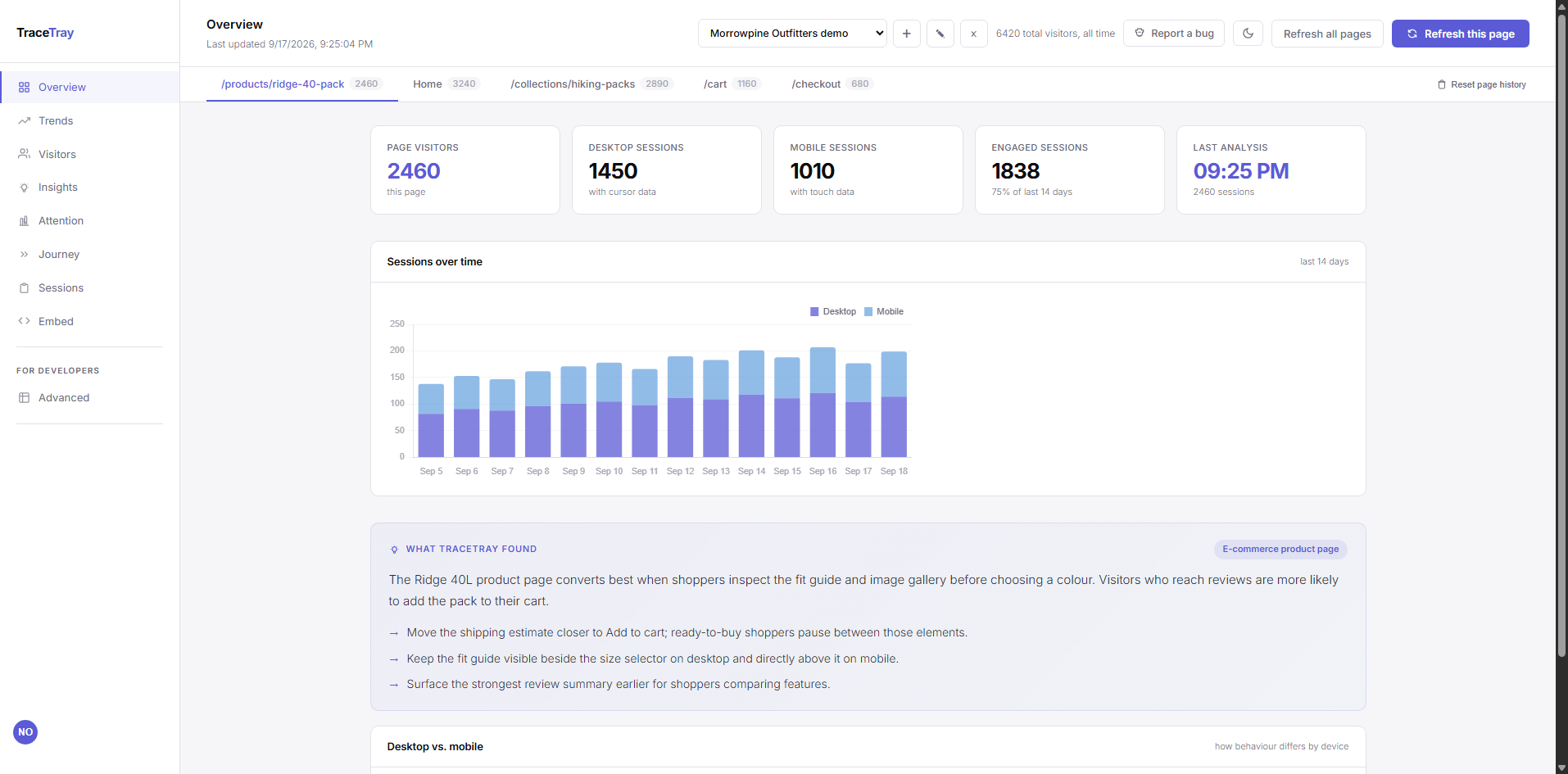
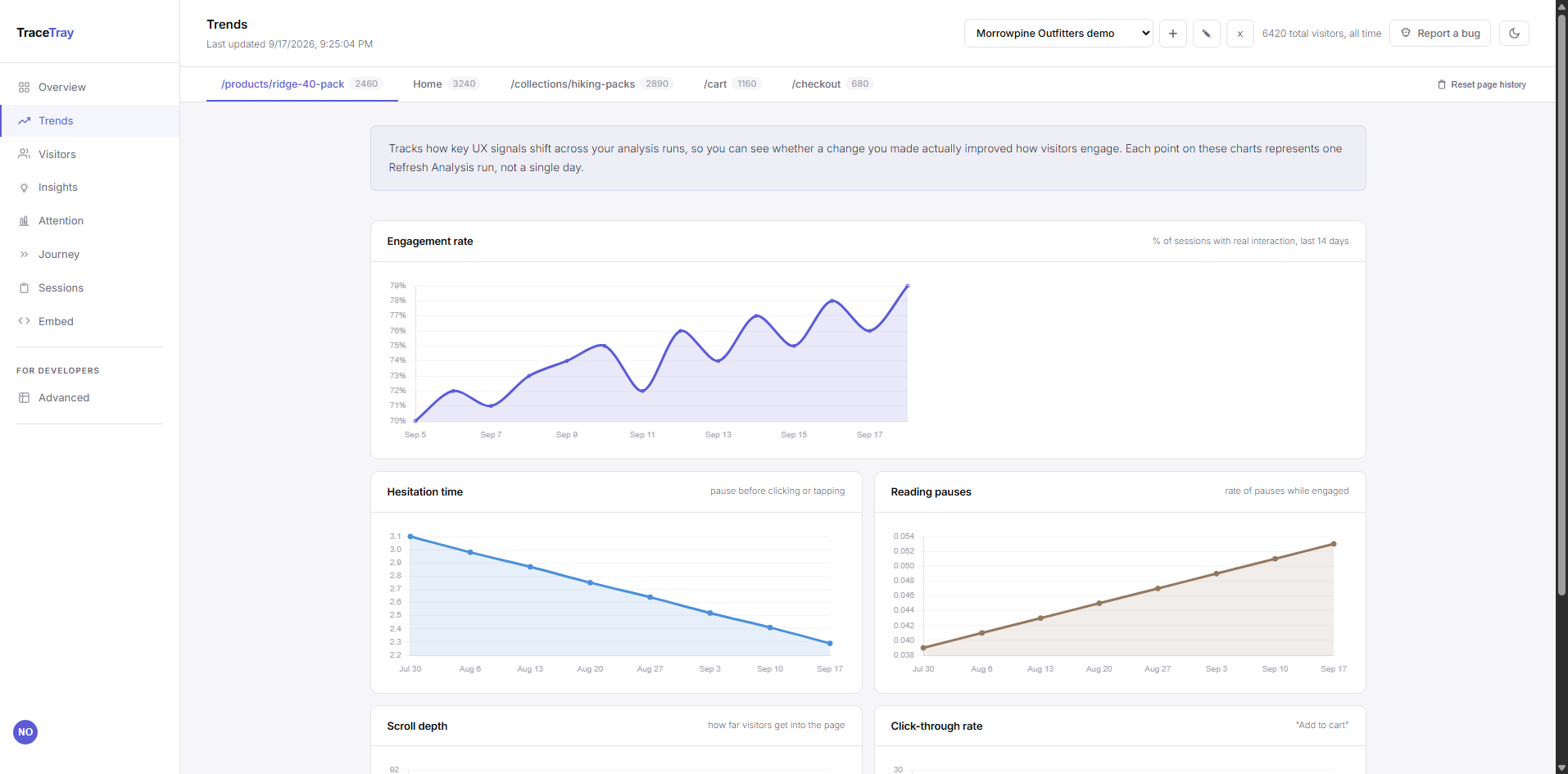
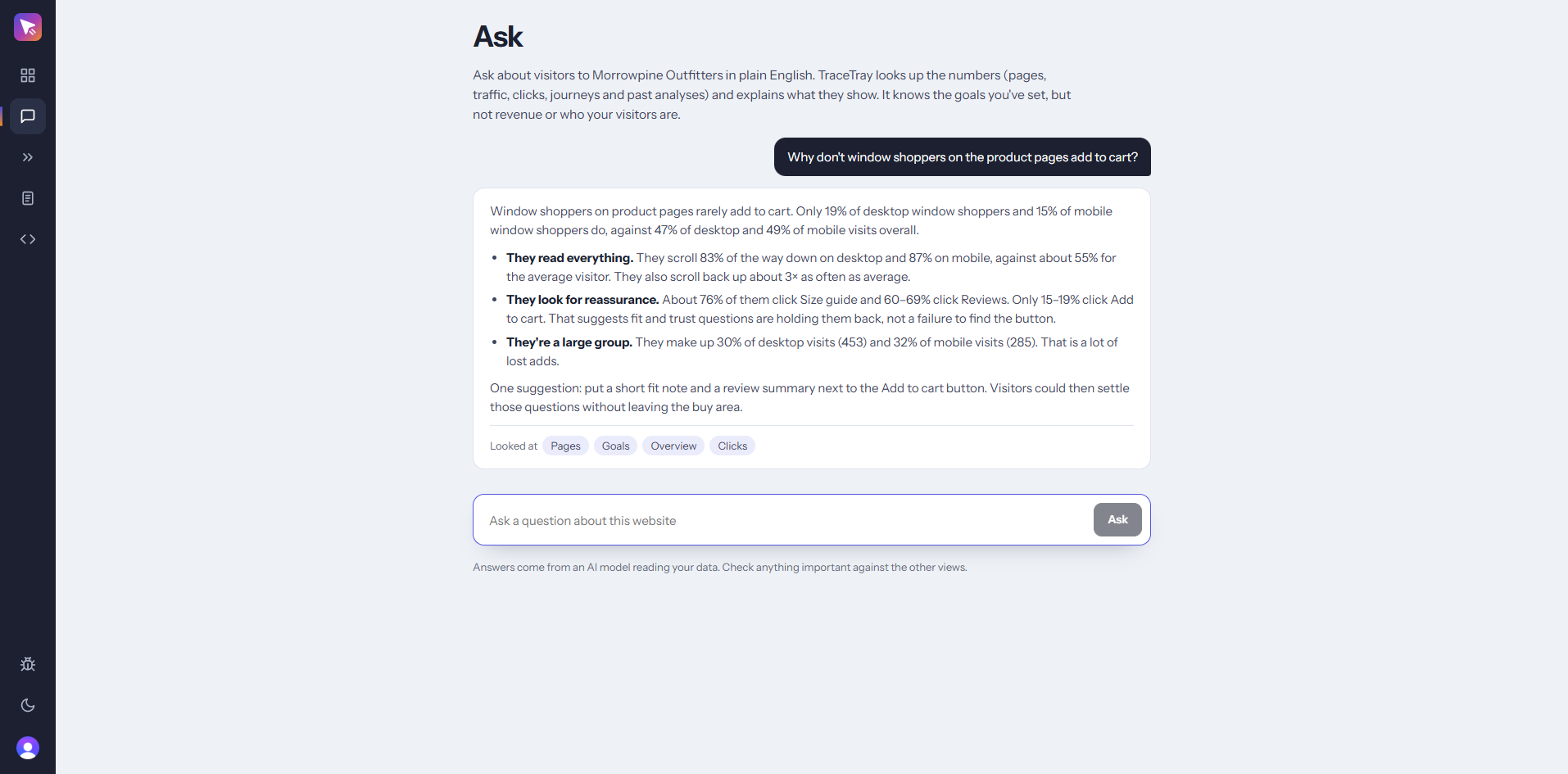
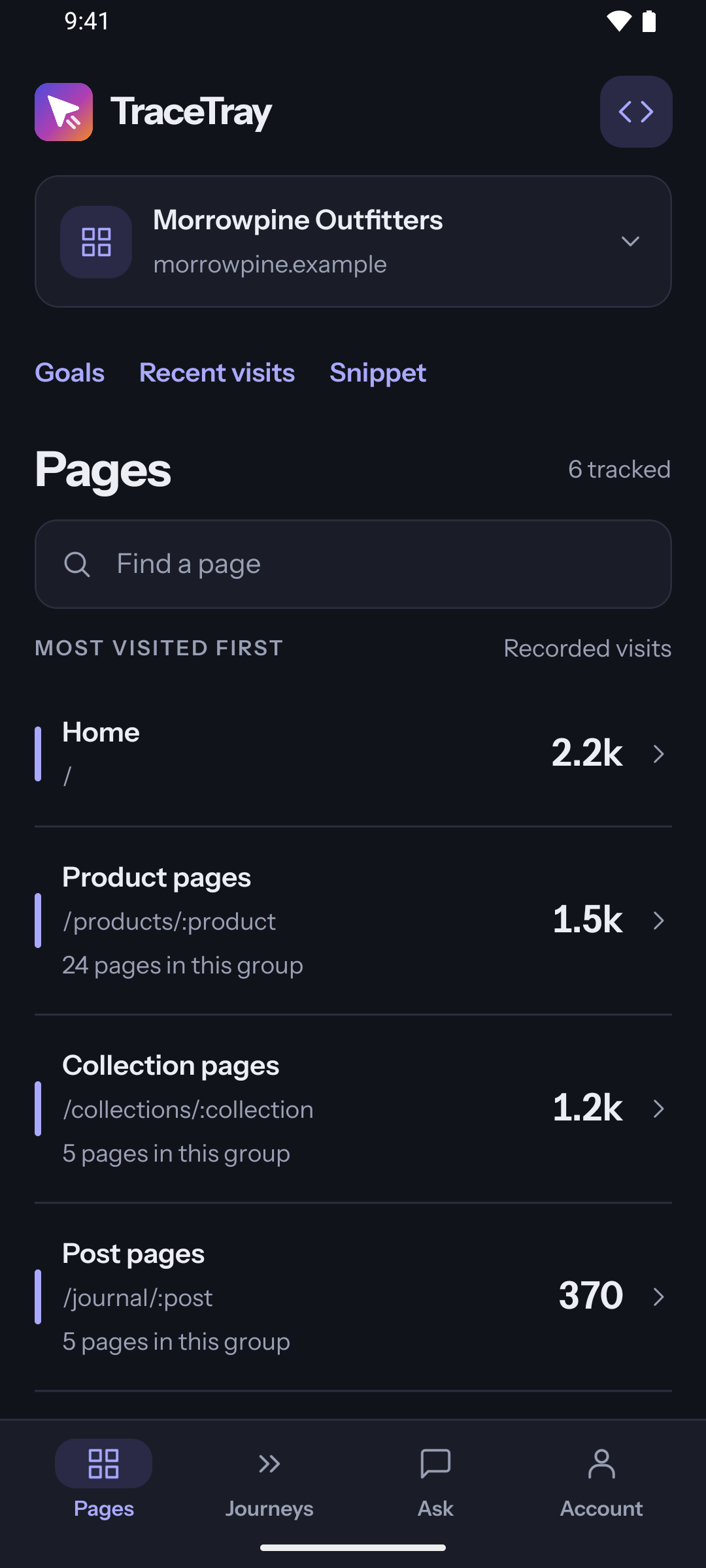
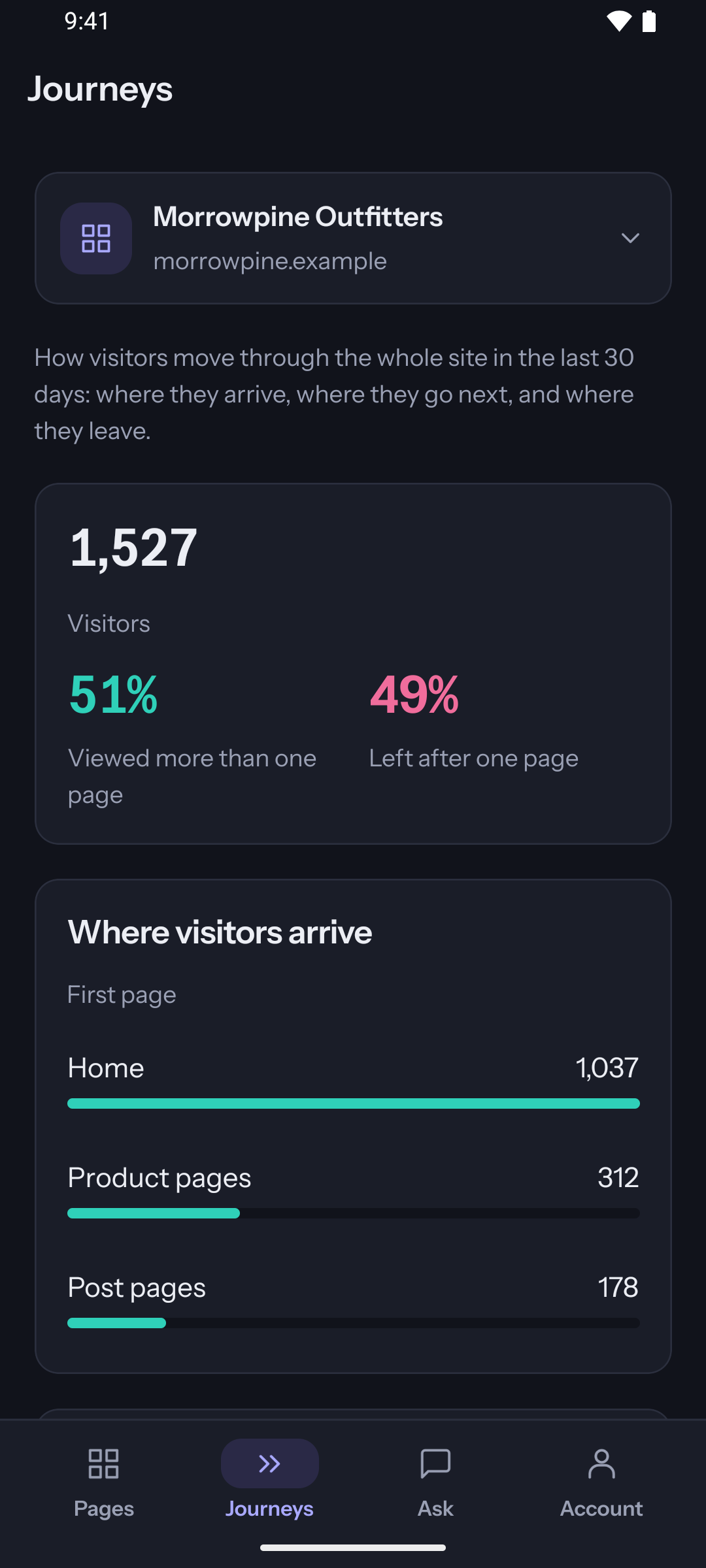
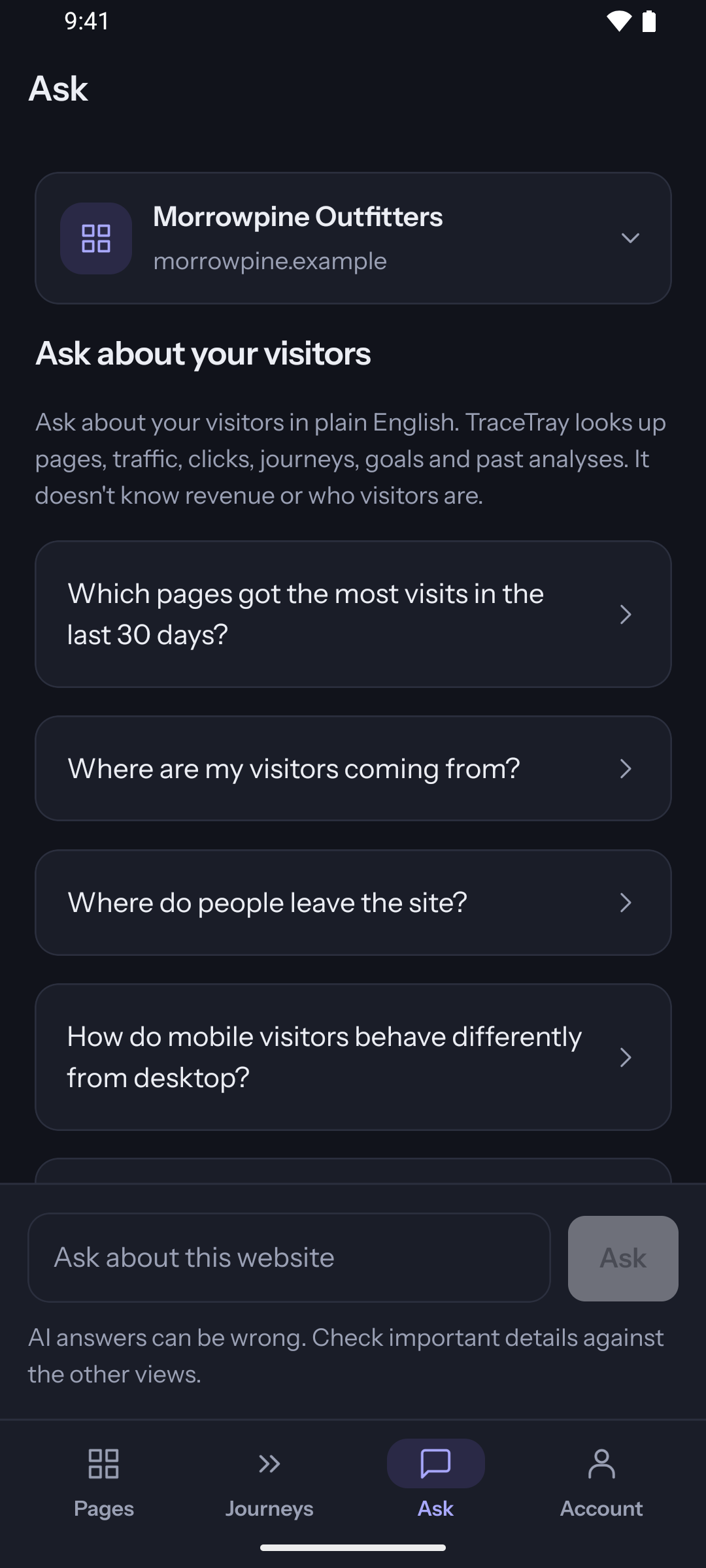
The dashboard brings those results together with visual summaries, plain-language explanations and an Ask feature that answers questions from your own numbers. Site owners set things up on the web, and an Android app lets them check in on their pages, journeys and visitor groups from their phone.

4/5

WikiRacr

Graph search and multiplayer game

Live

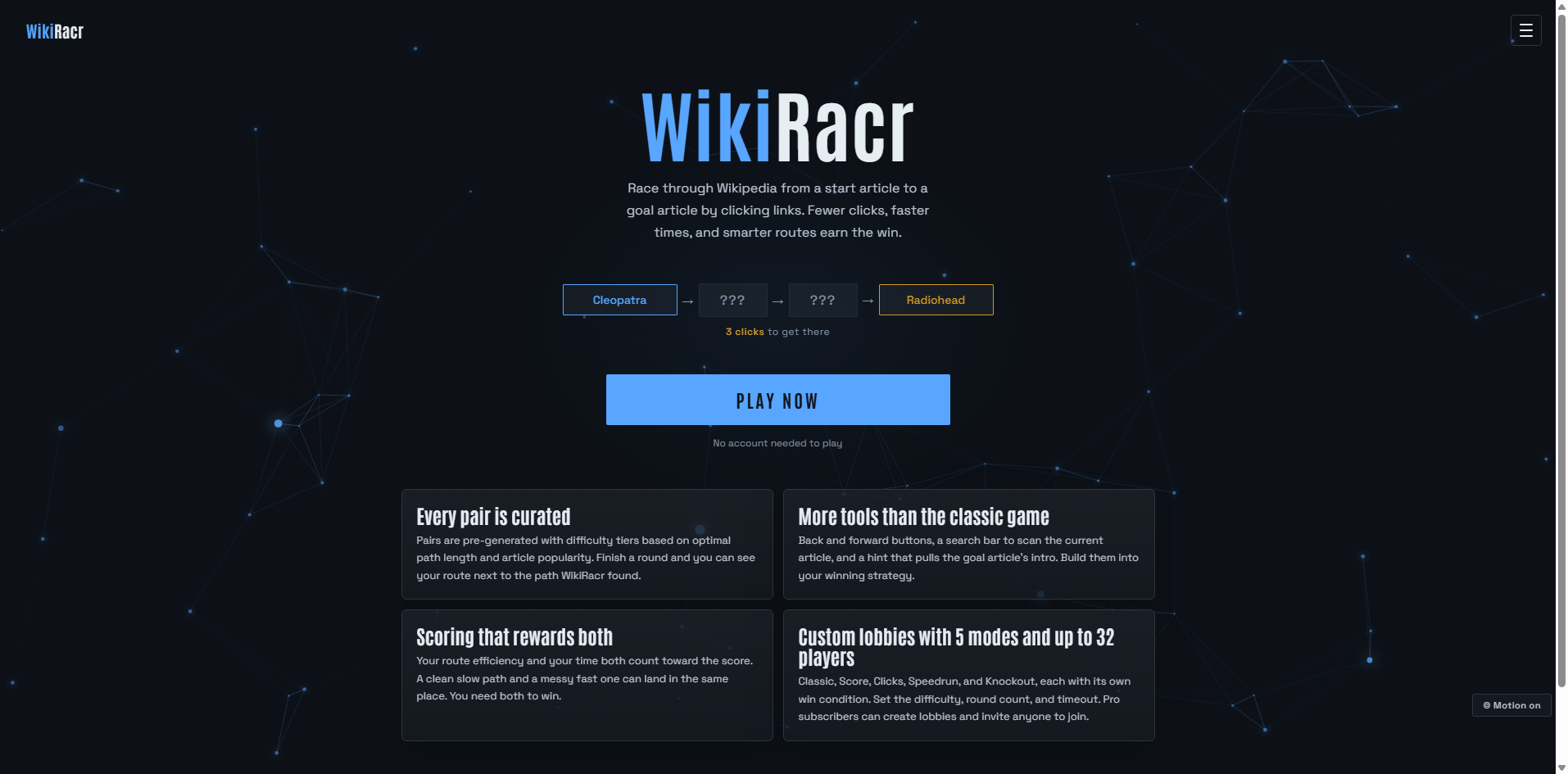
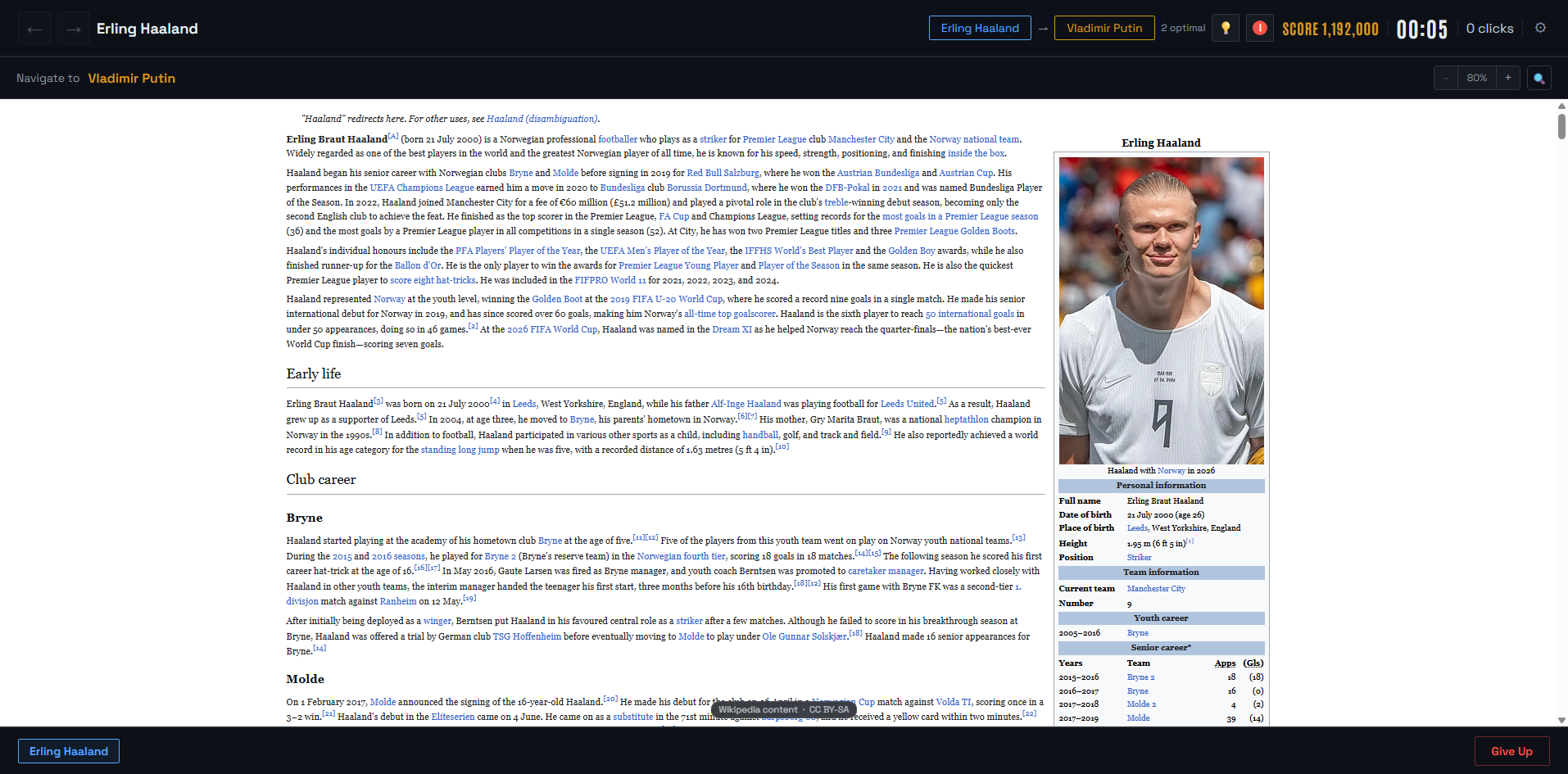
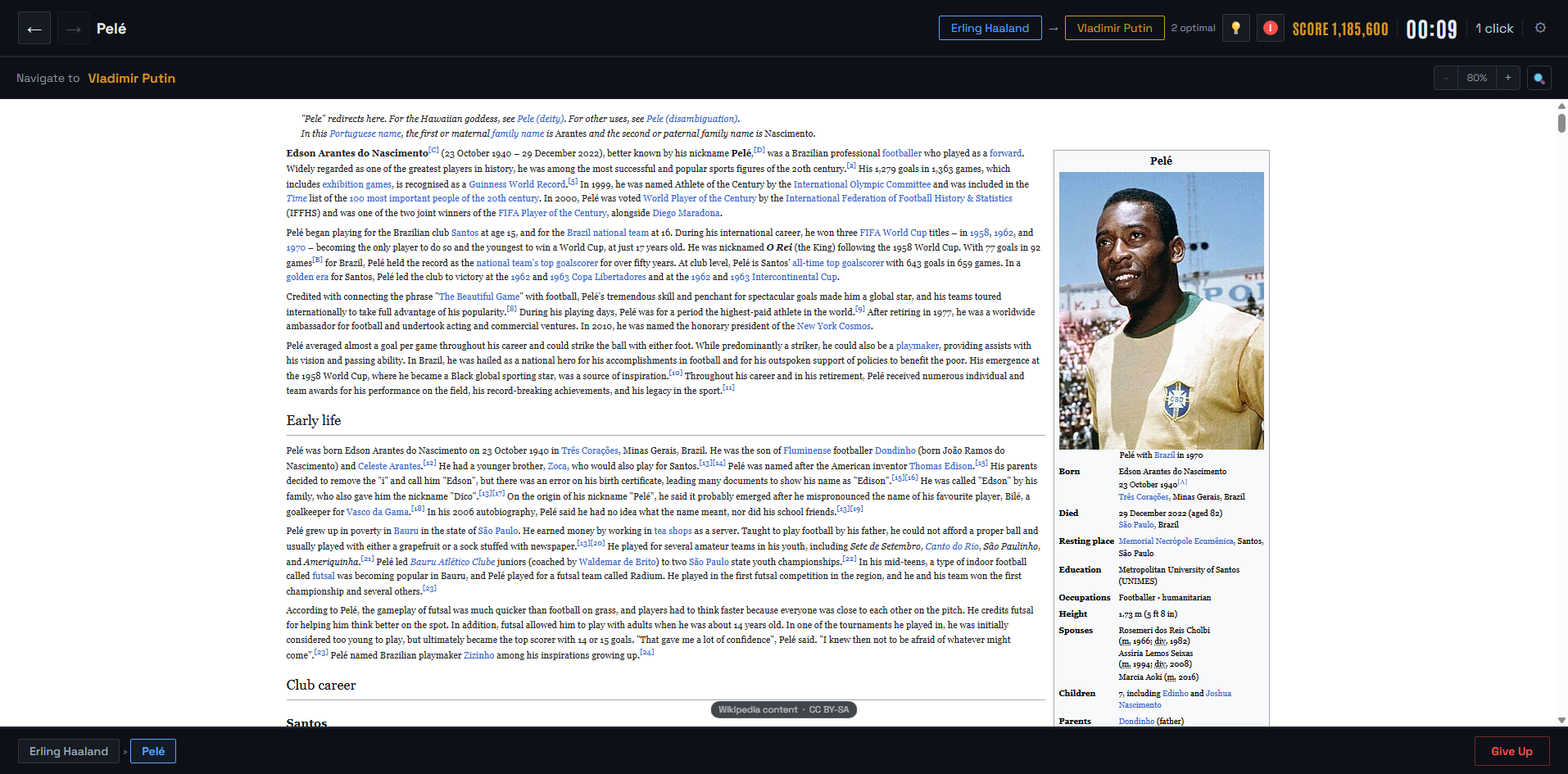
A competitive Wikipedia navigation game backed by fast graph search

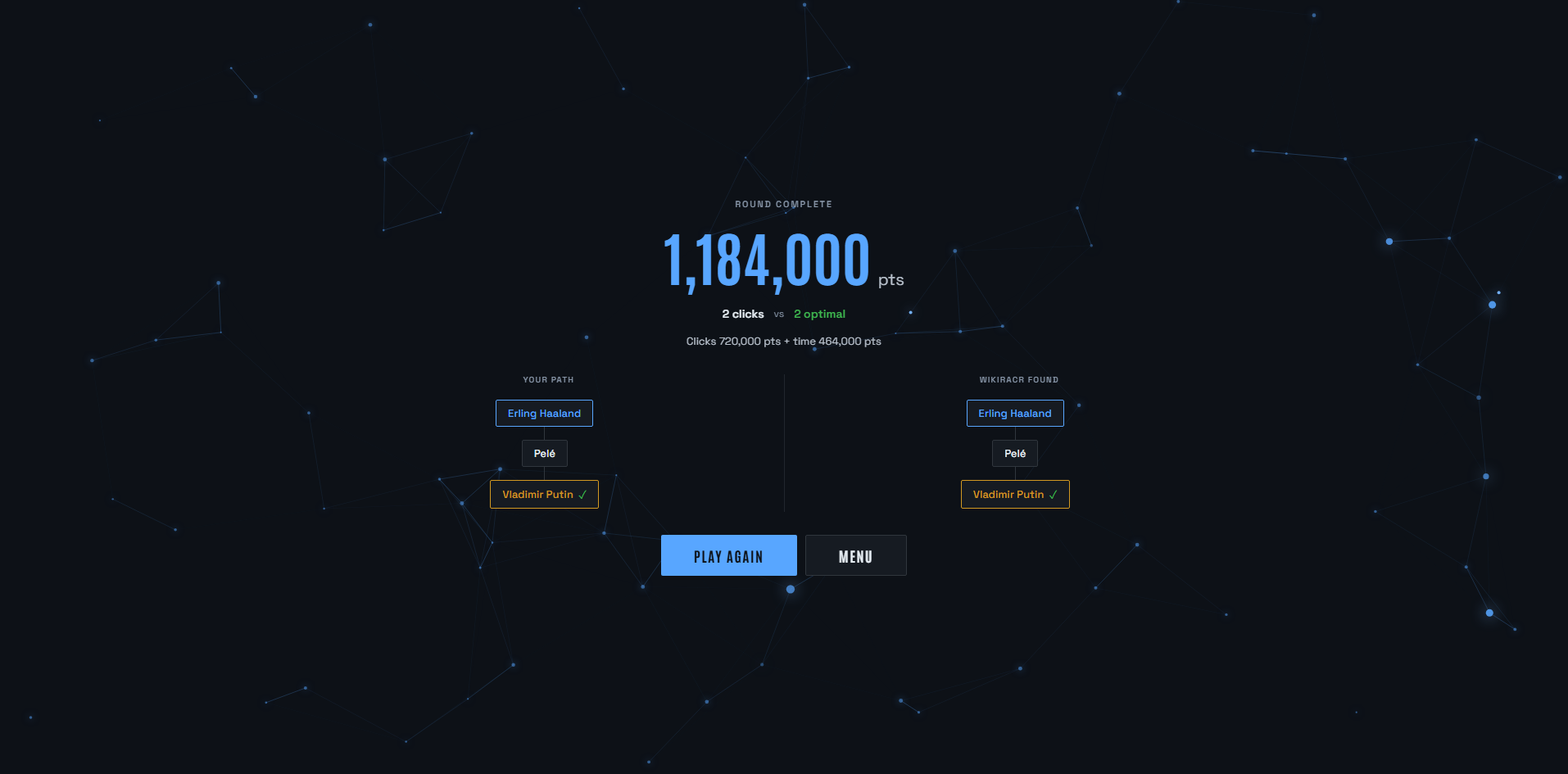
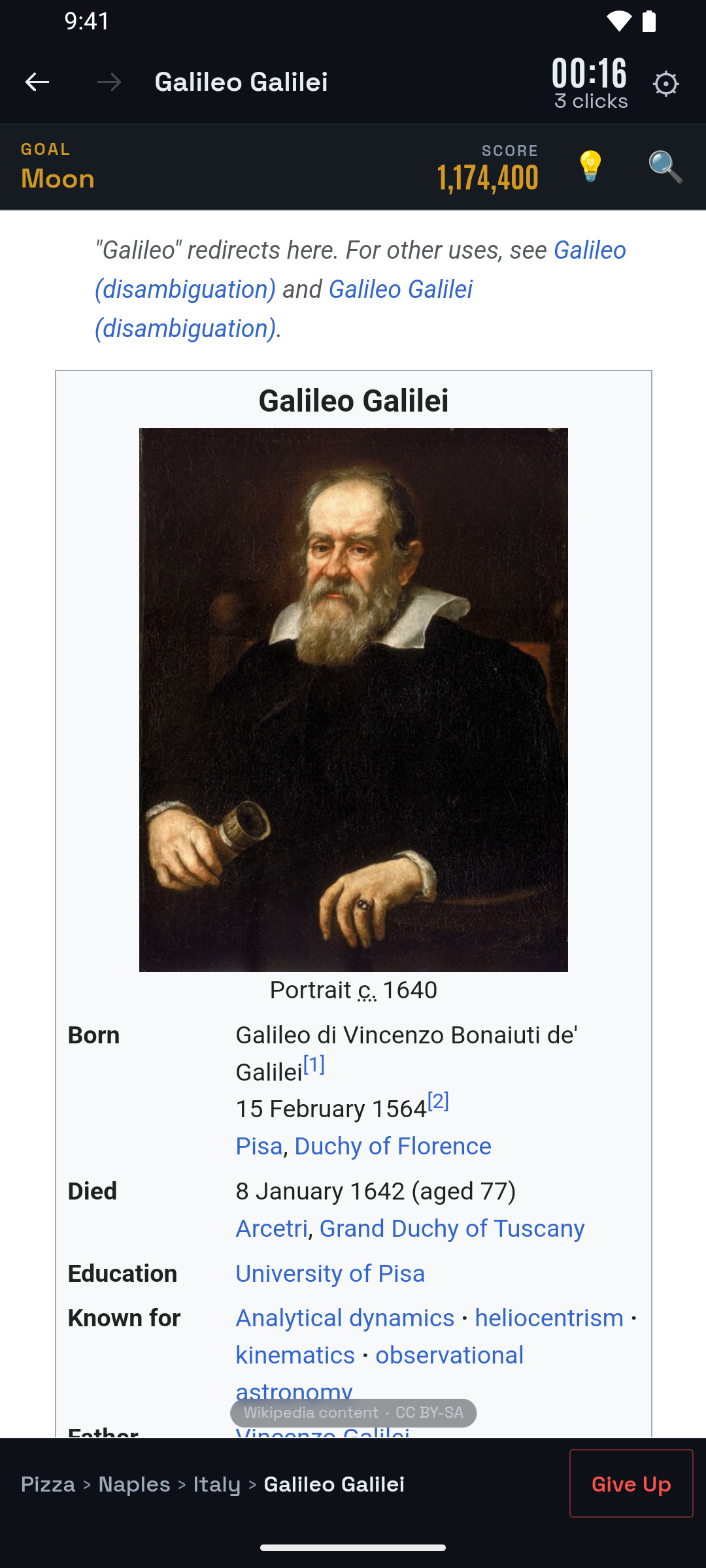
WikiRacr started as a research project on graph search algorithms for finding shortest paths between Wikipedia articles.

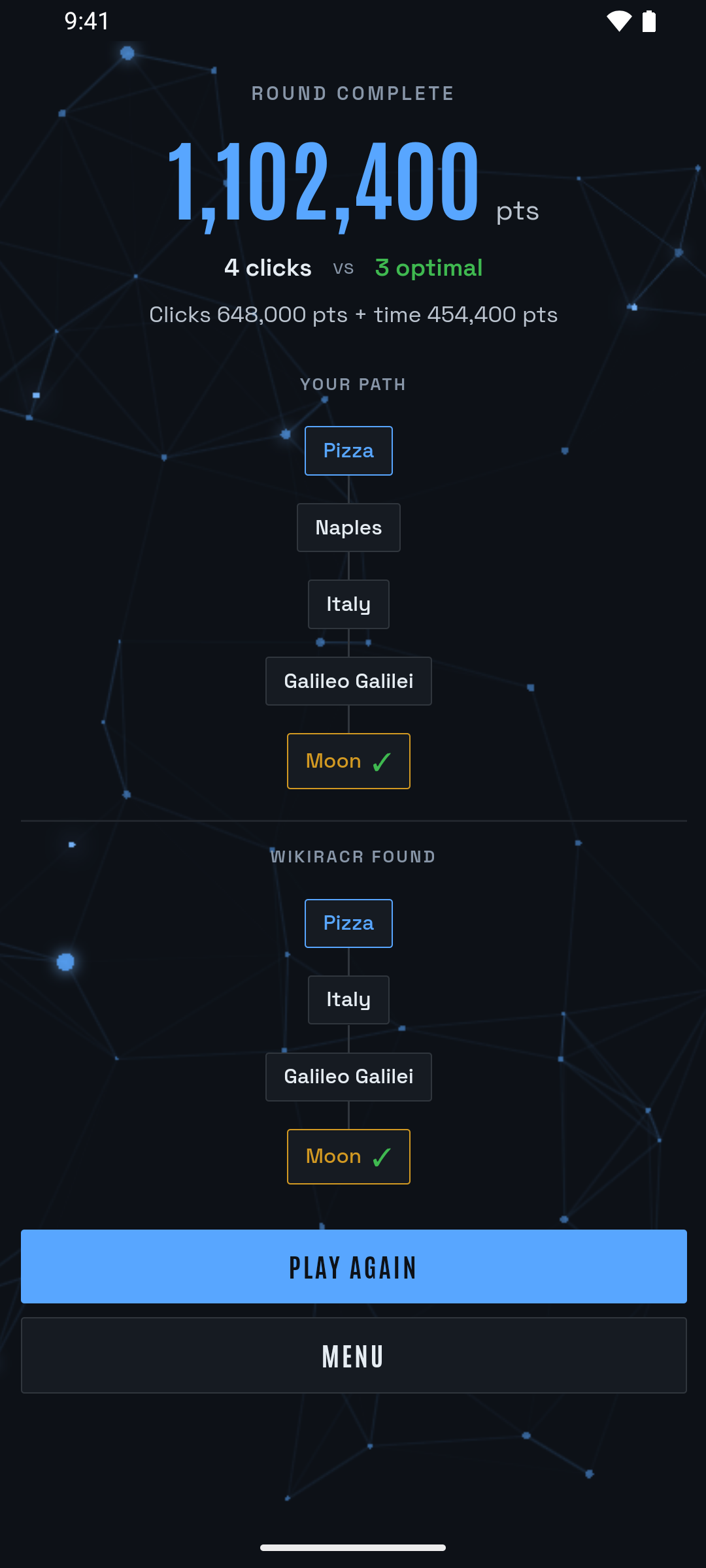
With forward and reverse link graphs, bidirectional breadth-first search cut route-finding time by orders of magnitude compared with the other approaches I tested. That made it practical to curate large numbers of start and goal pairs and put my own spin on the classic wikiracing game, with routes that are intentionally chosen instead of completely random.

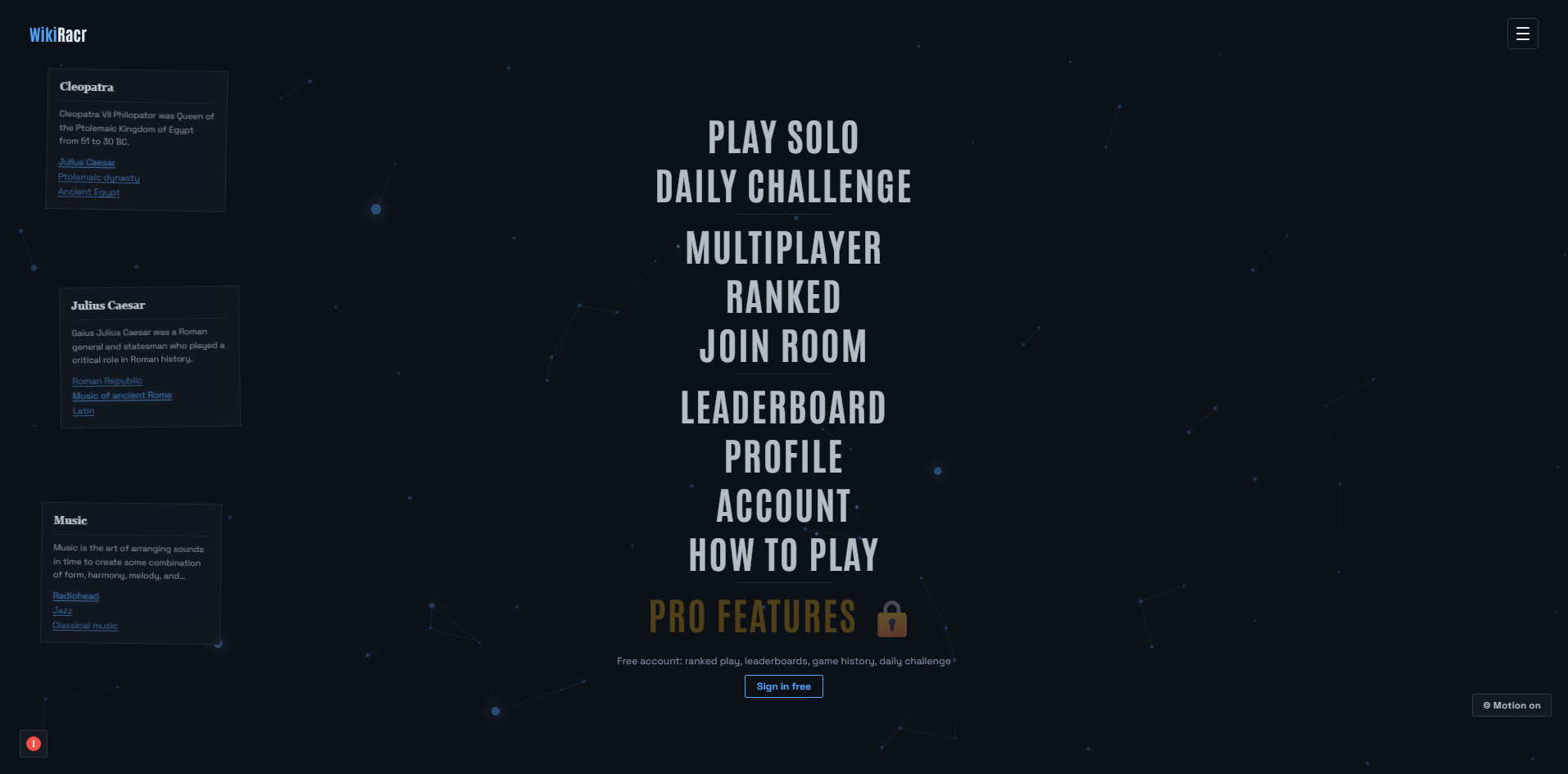
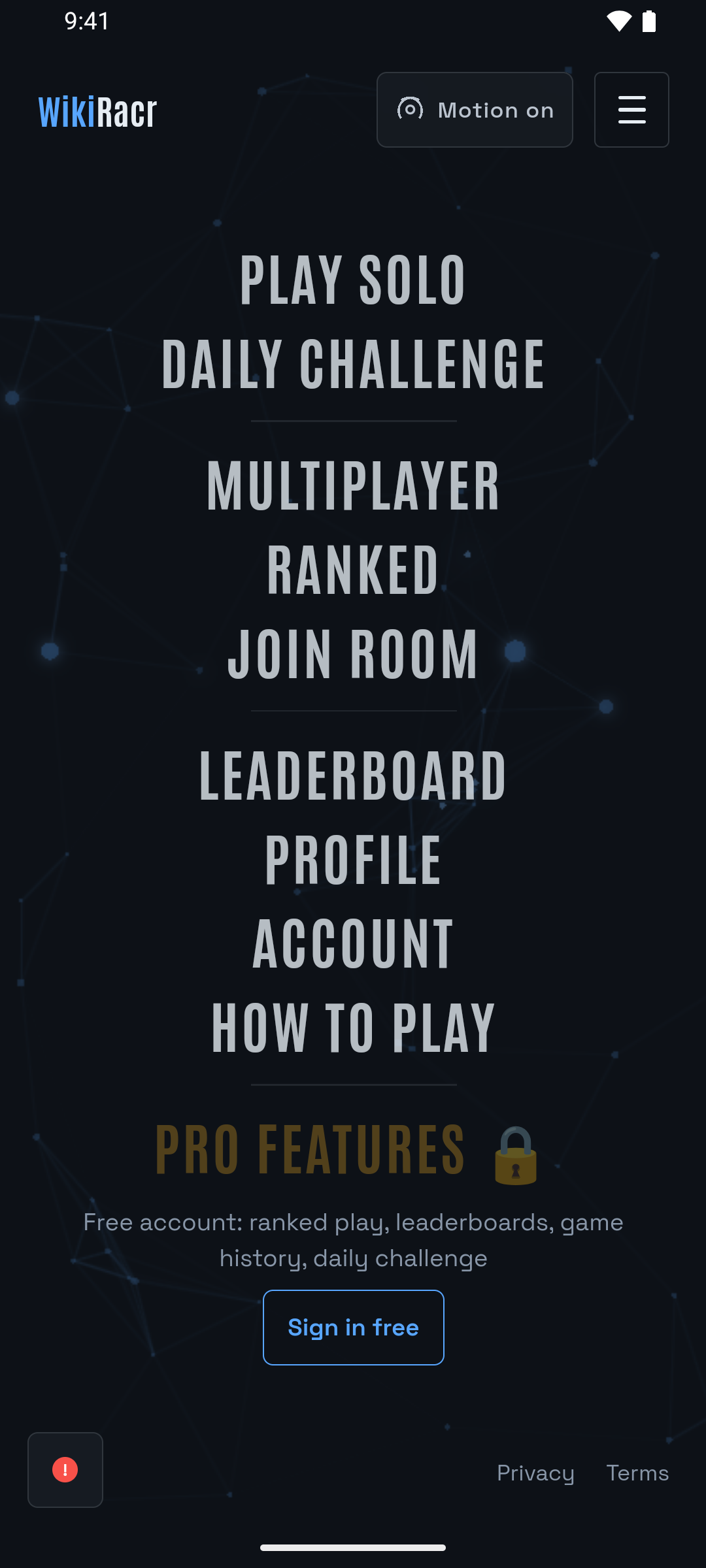
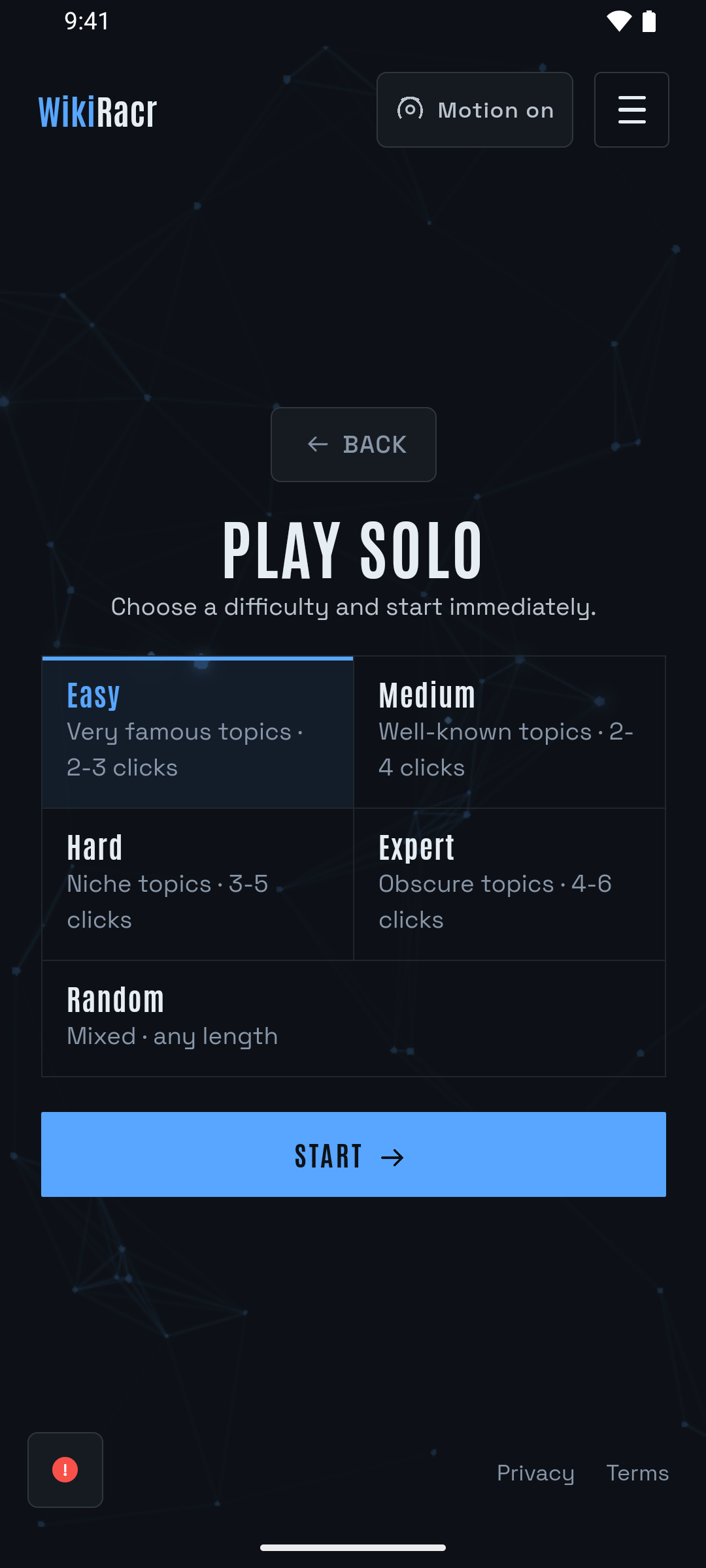
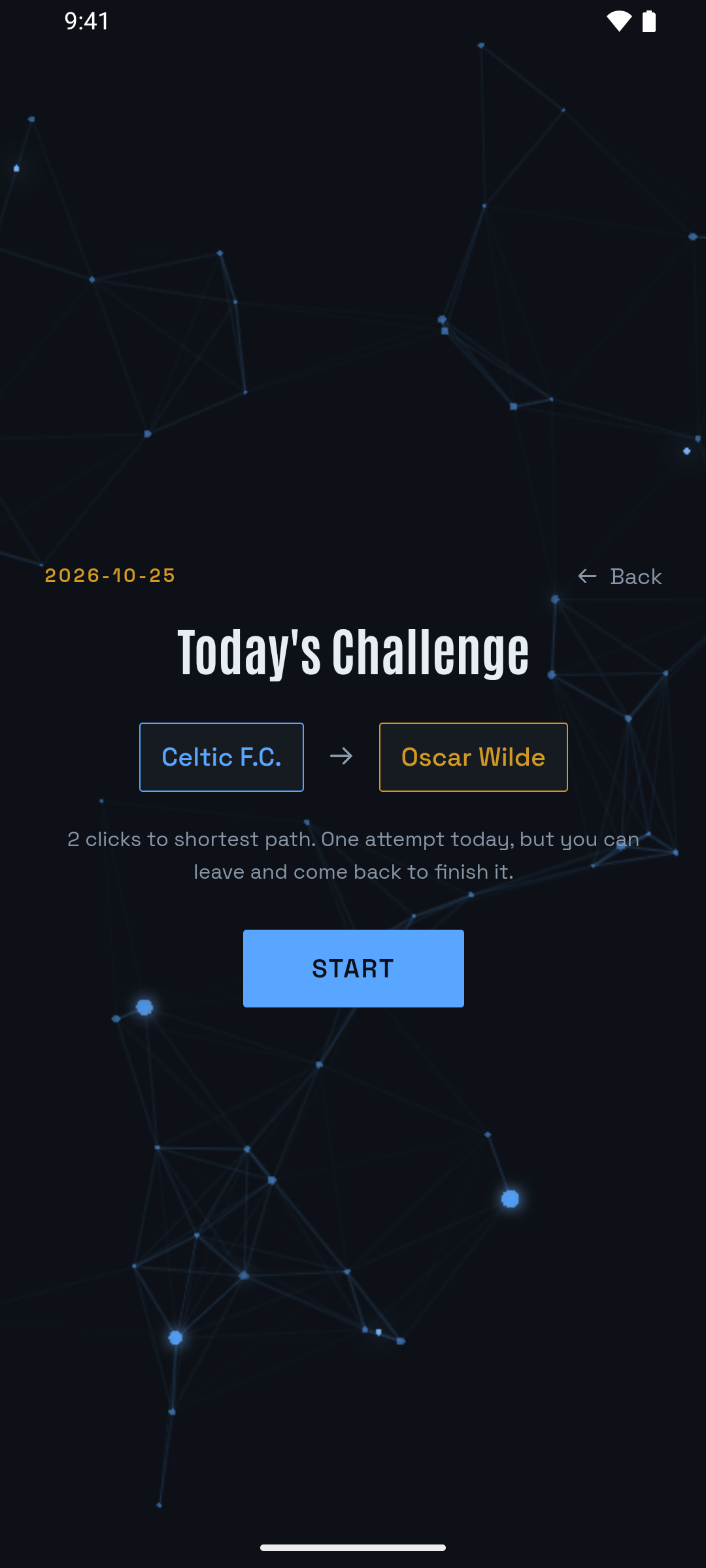
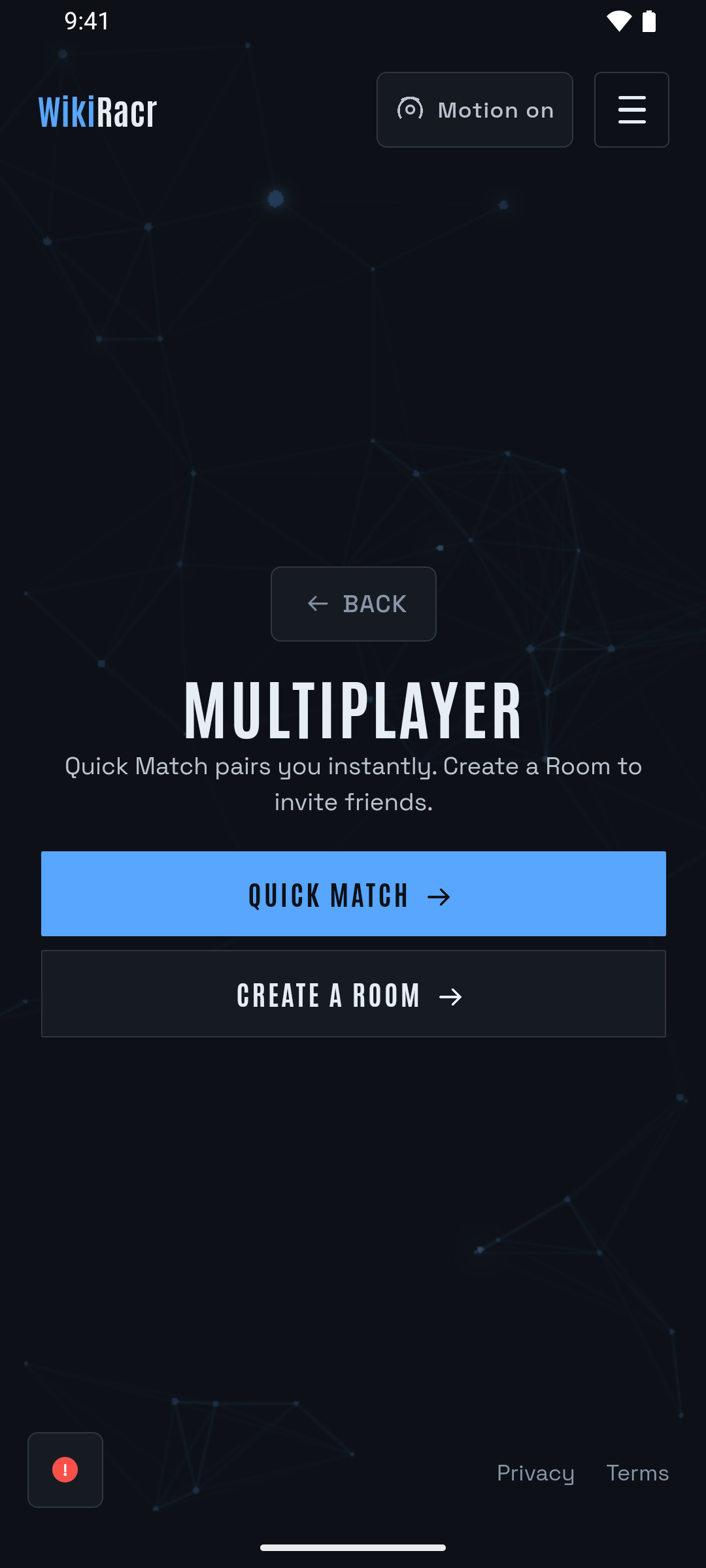
The research grew into a full game with Solo and Daily Challenge, plus multiplayer modes including Classic, Ranked, Speedrun, Knockout, Clicks, Score, and Higher or Lower. It plays in the browser and as an Android app built from the same React client.

5/5

Seed Placement Randomizer

Commissioned desktop and Android app

Released, v1.2.0

A desktop and Android app that takes human bias out of seed bioassays

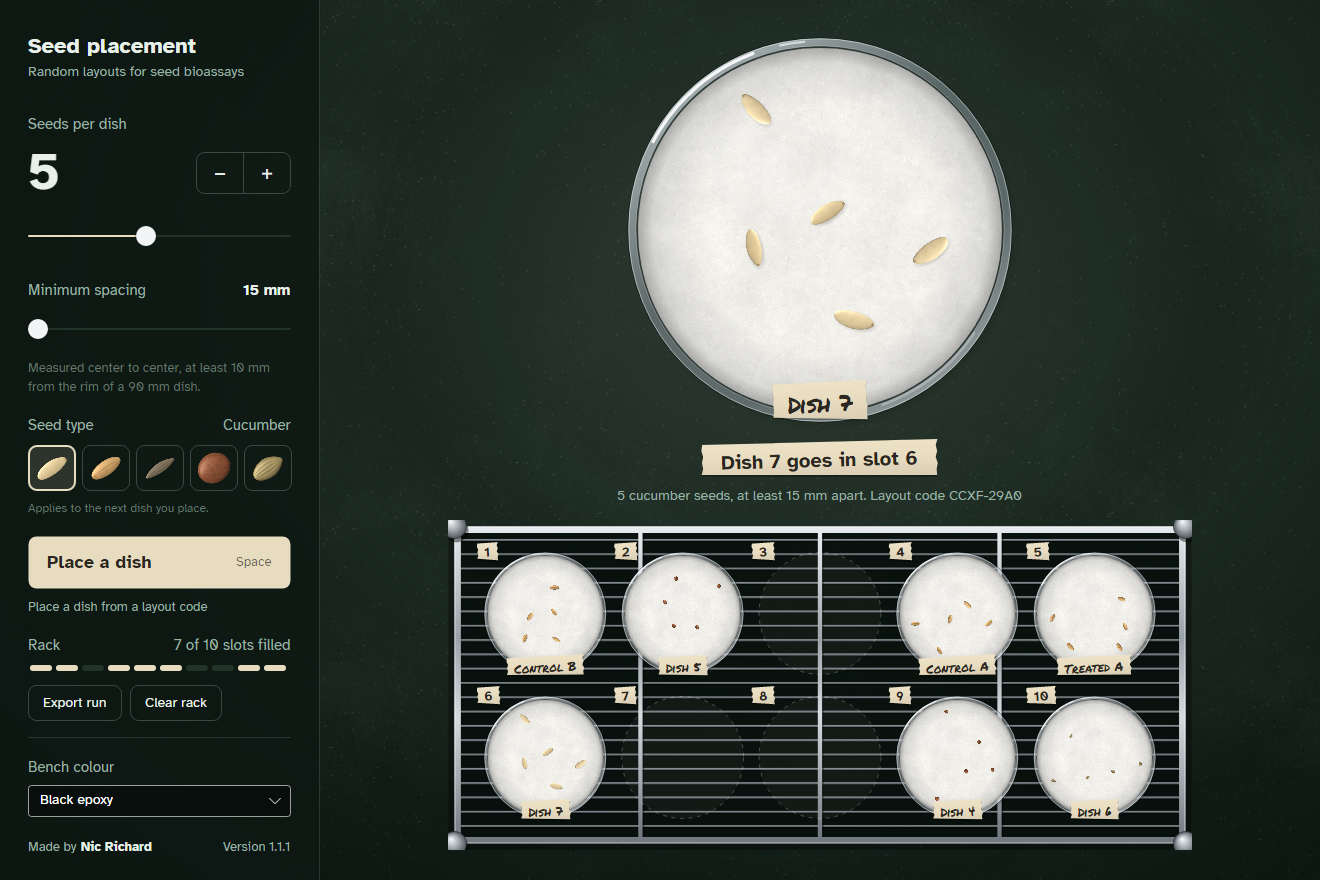
A researcher running seed germination experiments asked me for a way to place seeds in each petri dish, and each dish on the rack, without unconsciously favouring some positions. This was my first commission, and I took it from first conversation to a released app in about a day.

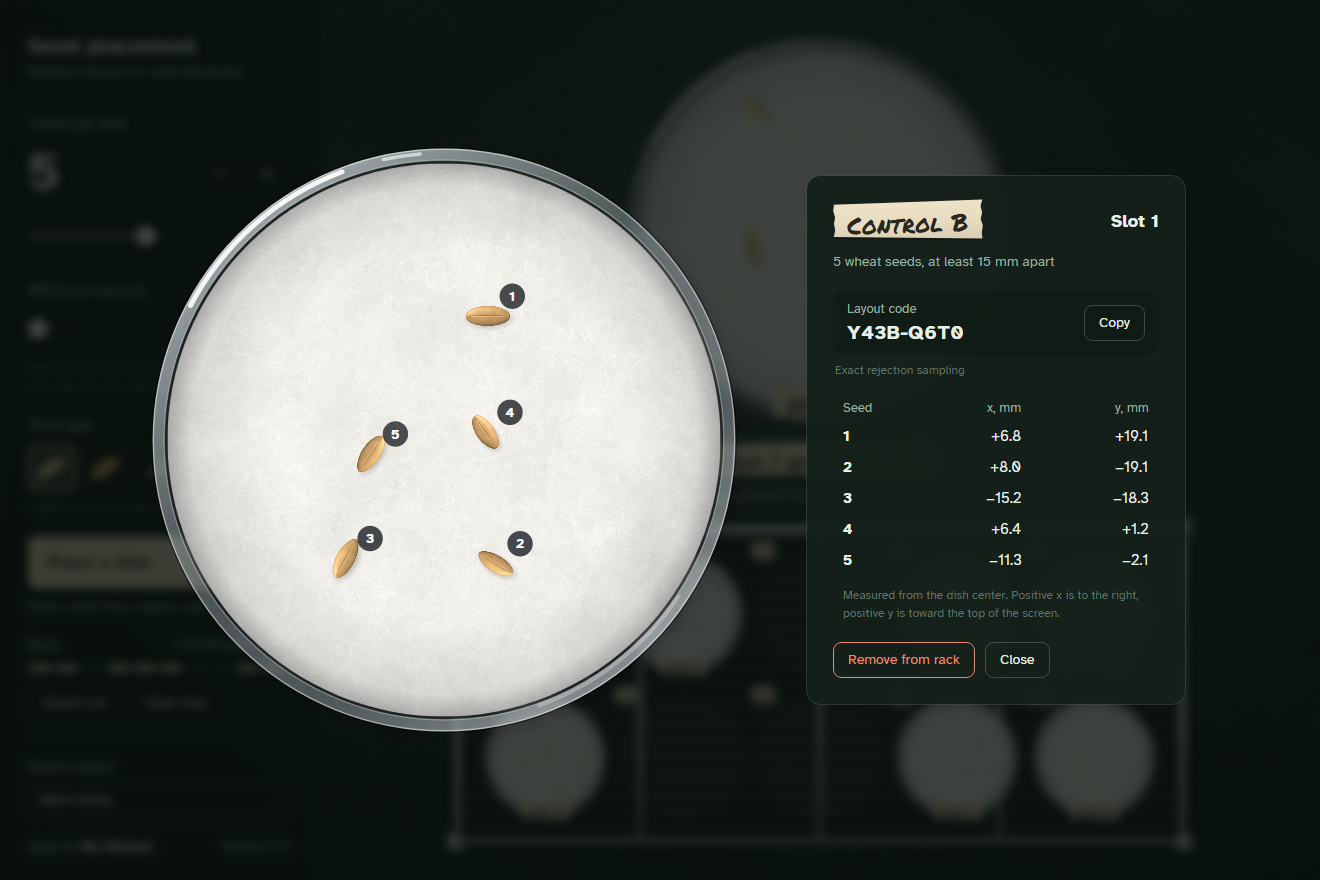
The app samples every valid layout with equal probability and switches to a Markov chain when the dish gets crowded. Each dish gets a short layout code that reproduces it exactly on any machine, and a test suite checks spacing, uniformity, and reproducibility. Around that is an interface built to read clearly on a projector, with exports for seed coordinates, the rack, and printable 1:1 templates.

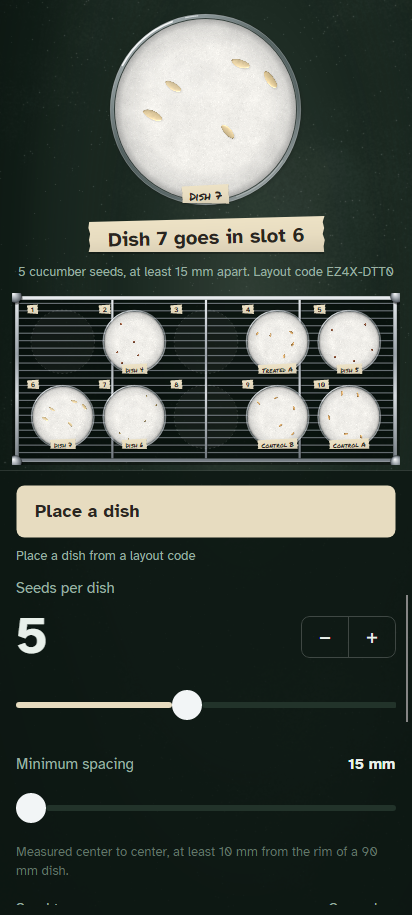
The client returned for an Android version, delivered in v1.2.0 using the same C# and Avalonia code. Run files move the complete rack between desktop and phone, so an experiment set up on a computer can go straight to the bench.

About

About me

I graduated from UNB Saint John in 2026 with a Computer Science degree and a minor in Business Administration.

With so many software projects already out there, I try to build things that offer real value and approach problems from a unique angle. I care about building software that works well, feels polished, and is genuinely useful. It's a good feeling when something I built makes someone's life easier.

I'm looking for a developer role, and I also take on freelance projects.